

Picking out a new vanity sounds simple until you start scrolling and realise there are two very different camps. The floating vanity vs freestanding vanity debate is one of the biggest style choices in a modern bathroom reno, and the right answer really does depend on your space, your storage habits, and the vibe you want when you walk in each morning.
Both styles can look stunning. Both can be practical. The trick is matching the design to how your bathroom actually lives, not just how it looks in a glossy showroom shot. Let's break down what each one offers, where they shine, and how to make a confident call.
What Is The Quick Difference Between The Two
-
Floating vanity, also known as a wall-hung or wall-mounted vanity, is fixed to the wall with a visible gap underneath the cabinet. Industry guides confirm these units are anchored into wall studs or solid backing, with the open floor space below being a defining feature, as outlined in this comprehensive guide to floating vanities.
-
Freestanding vanity sits on the floor, either on legs or with a solid kickboard base, much like a piece of furniture. As buying guides note, these standalone units rest directly on the floor and rely on their base for stability rather than wall fixings.
What Are The Main Benefits Of A Floating Vanity
Floating vanities have become the darling of contemporary Aussie bathrooms, and for good reason. That open space underneath does more than just look sharp, it changes how the whole room feels.
How Does A Floating Vanity Make A Small Bathroom Feel Bigger
When you can see the floor running uninterrupted from one wall to the other, your eye reads the room as larger. Design sources back this up, noting that exposed flooring beneath a wall-hung unit creates unbroken sightlines and bounces more light around the room, which the eye reads as extra space. It's a simple visual trick, but it works brilliantly in compact ensuites, apartments, and powder rooms where every centimetre counts. Pair a slim wall-hung unit with a wide mirror and a soft pendant, and a tight space suddenly feels considered rather than cramped.
Why Are Floating Vanities Better For Moisture Management
Bathrooms are wet rooms, and water has a habit of pooling exactly where you don't want it. With nothing sitting flush against the floor, a floating vanity sidesteps a common problem area where kickboards can swell, warp, or grow mould over time. Evidence from cabinetry specialists suggests that eliminating the toe kick contact point helps prevent the slow water damage that often plagues floor-mounted units. Mopping underneath is a quick swipe rather than a hands-and-knees mission, which is a quiet win you'll appreciate years down the track.
What Are The Style Wins With Floating Designs
-
Clean, architectural lines that suit modern and minimalist interiors.
-
Flexibility to set the mounting height to suit taller or shorter household members. Research from cabinet makers indicates the install height is fully adjustable, with options typically ranging from around 30 inches for kids up to 38 inches for taller users, as covered in this overview of floating vanity pros and cons.
-
Room to add LED strip lighting underneath for a soft glow at night.
-
Great pairing potential with a sleek counter-top basin like the Mira for a hotel-style finish.
[collection-carousel="basins"]
What Are The Main Benefits Of A Freestanding Vanity
Freestanding vanities are the workhorses of the bathroom world. They look beautiful, they hold a lot of stuff, and they install with less fuss. If you've ever wished your bathroom had the storage of a kitchen, this is the style that gets you closer.
Why Does Storage Often Tip The Scales Toward Freestanding
Because the cabinet runs all the way to the floor, you get more usable interior volume. Industry product guides consistently show that floor-to-ceiling cabinetry maximises internal volume, which is why freestanding units often feature deeper drawers and full-height cupboards. That means deeper drawers, taller cupboards, and proper room for the unsexy essentials such as cleaning sprays, spare towels, hairdryers, and that backup pack of toilet rolls. Families, share houses, and anyone who likes a tidy benchtop tend to gravitate here.
Is A Freestanding Vanity Easier To Install
Generally, yes. A floor-mounted unit transfers weight straight down through the base, so you don't need to worry about whether the wall behind it can carry the load. Building specialists confirm that freestanding units typically need only minimal wall fixings for stability, while floating designs require structural reinforcement and careful bracket placement. That makes life simpler in older homes, in apartments with unknown wall construction, or anywhere you'd rather not start opening up plasterboard to add noggins and timber blocking.
What Are The Everyday Comfort Wins
-
Stable, solid feel when you lean on the bench while doing your hair or makeup.
-
Wider range of timber, shaker, and Hamptons-style designs if you're after a softer, more traditional look.
-
Often more affordable per centimetre of storage compared to floating equivalents.
-
Simple to swap out down the track without patching walls.
How Do The Two Styles Compare Side By Side
Sometimes it's easier to see the trade-offs laid out plainly. Here's how the two stack up on the points renovators tend to weigh up most.
|
Consideration |
Floating Vanity |
Freestanding Vanity |
|---|---|---|
|
Visual space |
Makes rooms feel larger and airier |
Anchors the room with a furniture-like presence |
|
Storage capacity |
Slightly reduced due to plumbing and gap |
Maximum cabinet volume |
|
Cleaning |
Easy to mop underneath |
Easy front access, harder to clean under kickboard |
|
Moisture resilience |
Excellent, no base contact with wet floors |
Good with sealed kickboards, watch for long-term wear |
|
Installation effort |
Needs solid wall fixing and careful planning |
Simpler, weight carried by floor |
|
Style fit |
Modern, minimalist, hotel-inspired |
Classic, coastal, Hamptons, transitional |
|
Cost |
Often a touch more, especially with custom heights |
Generally better value across the range |
What Are The Hidden Catches With Floating Vanities
Floating designs look effortless, but the install behind the scenes needs a bit more thought. This is where good planning pays off.
How Strong Does The Wall Need To Be
The cabinet, the stone top, the basin, and everything you'll lean on or store inside all hang off the wall. That load has to go somewhere. Installation guides are firm on this point, recommending that floating units be anchored into structural studs or dedicated blocking rather than plasterboard alone. In timber-framed walls, the cabinet should be fixed into noggins or a continuous timber backing, not just plasterboard. In masonry walls, suitable anchors are non-negotiable. If your builder or plumber raises concerns about wall strength, listen, because a sagging or detaching vanity is the kind of problem you only want to solve once.
How Much Gap Should You Leave Underneath
A common mistake is mounting the cabinet too close to the floor, which makes cleaning awkward and defeats the airy look. Aim for a gap that lets a microfibre mop or vacuum head slide through comfortably. Around 150 to 250 millimetres is a good working range for most homes, though the evidence on an ideal cleaning gap is still emerging and experts have different views. Some installs sit around 200 mm off the floor, while accessibility guidelines call for far more clearance, so adjust to suit your floor tile pattern and the proportion of the vanity itself.
Is There A Middle Ground Between Floating And Freestanding
Yes, and it's worth knowing about. A recessed kickboard design is a freestanding vanity where the base is set back from the front face of the cabinet. From normal eye level it reads as though the unit is floating, but underneath it's still planted firmly on the floor. Aussie renovators on home renovation forums often suggest this approach when plumbing or wall construction rules out a true wall-hung install, with some even tiling the recessed area to make it visually disappear.
Who Suits A Recessed Kickboard Vanity
-
Renovators who love the floating look but want the storage of a full-height cabinet.
-
Households that prefer not to deal with wall-load engineering.
-
Anyone in a rental investment property where simpler installs make life easier.
-
People who want a softer compromise between modern and traditional styling.
It's a clever option that often gets overlooked because it doesn't fall neatly into either camp. If you're stuck between the two, ask your supplier whether the model you like is available with a shadow-line or recessed base.
[collection-carousel="trade"]
How Do You Choose The Right Style For Your Bathroom
Forget what's trending for a moment. The best vanity is the one that suits the way you and your household actually use the room.
What Questions Should You Ask Yourself First
-
How big is the bathroom and does it need to feel more open?
-
How much storage do you genuinely need, not just want?
-
Is the wall behind the vanity solid enough to carry a floating unit, or will it need reinforcement?
-
Who uses the bathroom and at what heights are they most comfortable?
-
What style are you aiming for in the rest of the home so the bathroom flows naturally?
-
What's your realistic budget once tapware, the basin, and the mirror are added?
Don't Forget The Supporting Cast
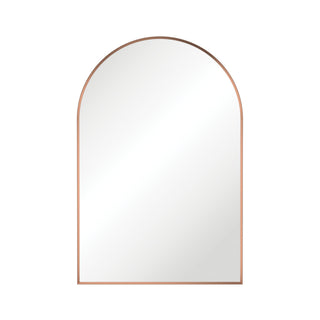
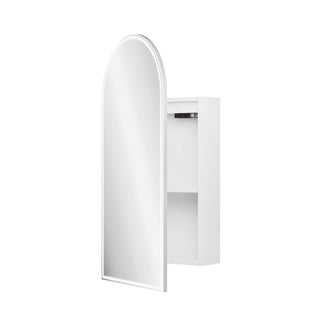
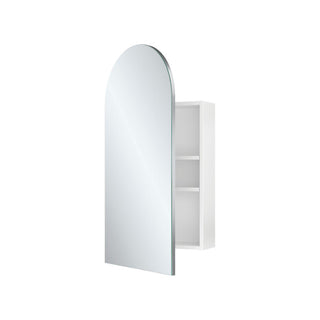
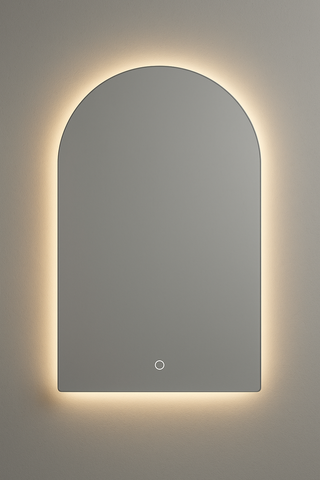
A vanity rarely lives alone. The finish you choose will influence the rest of the room, so think about it as a package. A floating timber-look unit looks gorgeous with matte black tapware and a frameless round mirror. A classic freestanding shaker pairs beautifully with brushed nickel and an arched LED mirror. Browse a curated range of bathroom mirrors to see how dramatically the right reflection changes a space.
What The Evidence Shows About Vanity Styles
-
Floating vanities reliably make small bathrooms feel more spacious, thanks to uninterrupted floor sightlines and better light reflection.
-
Wall-hung units help with moisture management by removing the kickboard contact point where water damage typically starts.
-
Freestanding vanities consistently win on storage, with full-height cabinetry offering more usable interior volume.
-
Installation is generally simpler for freestanding units because the floor carries the load, while floating designs need stud fixing or backing.
-
The ideal underneath gap for a floating vanity is less settled than you'd think. Some installers favour around 200 mm, others go higher, and accessibility guidelines push much further, so the right number depends on your space and household.
-
Recessed kickboard designs are a legitimate middle path, giving you the floating look without the structural fuss.
What To Do Next With Your Vanity Project
Once you've landed on a style direction, the next step is pulling the whole look together. That means matching the vanity to a basin you love, choosing tapware that complements the finish, and making sure the mirror and lighting work for both function and mood.
How Can Reno Supplies Help You Pull It Together
-
Compare counter-top, semi-recessed, and under-mount basins to find the right fit for your chosen vanity height.
-
Coordinate tapware finishes so spouts, handles, and accessories all sing the same tune.
-
Pick a mirror that balances the proportions of the cabinet and adds light to the room.
-
Take advantage of trade-friendly pricing if you're working with a plumber or builder on the install.
If you're ready to start shortlisting, dive into the full range of bathroom basins and start matching styles to your preferred vanity look.
[collection-carousel="accessories"]
Final Thoughts On Choosing Your Vanity
There's no universally right answer in the floating versus freestanding debate. Floating vanities win on visual lightness, moisture management, and modern style. Freestanding vanities win on storage, install simplicity, and broader design choice. Recessed kickboard designs let you have a foot in both camps.
Take the time to think about how the bathroom is used day to day, check what your walls and budget can handle, and choose finishes that feel cohesive with the rest of your home. Get those fundamentals right and whichever style you pick will look great on day one and still feel right years from now.