



What to Know Before You Buy a Back to Wall Toilet
Everything you need to consider — from measurements and trap types to rimless technology and water efficiency — before choosing the right back to wall toilet for your bathroom.
Shop Back to Wall ToiletsWhat Is a Back to Wall Toilet
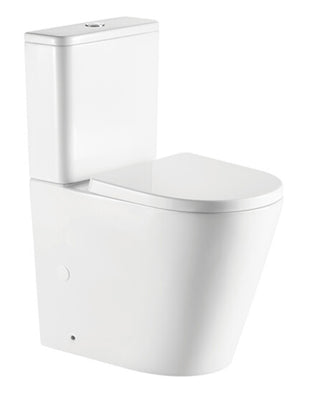
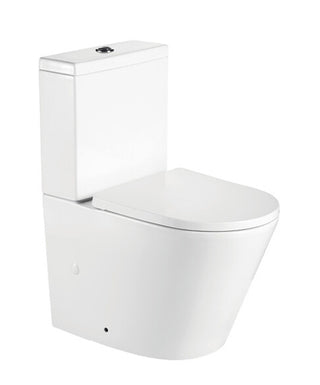
A back to wall toilet is designed so the pan sits flush against the bathroom wall, with the cistern concealed behind the wall or inside a furniture unit. This creates a clean, streamlined look with no visible pipes or bulky cistern on display.
They have become one of the most popular choices in modern Australian bathroom renovations, offering a balance between the affordability of a close-coupled suite and the premium aesthetic of a fully wall-hung design. If you are planning a renovation or replacing an existing toilet, understanding how back to wall models work will help you make a more confident decision.

Key Benefits of a Back to Wall Toilet
Sleek, Modern Design
With the cistern concealed behind the wall, back to wall toilets deliver a clean, contemporary look that suits any modern bathroom renovation. No exposed plumbing or bulky cistern on display.
Easier Cleaning
Because the pan sits flush against the wall with no gaps behind the cistern, there are fewer hard-to-reach areas where dust and grime can build up. Mopping around the base is straightforward.
Flexible Installation
Back to wall toilets work with S-trap (floor) and P-trap (wall) waste outlets and support both top and bottom water inlet connections, making them suitable for most Australian bathroom layouts.
Mid-Range Pricing
Sitting between budget close-coupled suites and premium wall-hung models, back to wall toilets offer a great balance of style and value — typically starting from around $350 for a complete suite.
How Back to Wall Compares
See how back to wall toilets stack up against close-coupled and wall-hung alternatives across the factors that matter most.
| Back to Wall | Close-Coupled | Wall-Hung | |
|---|---|---|---|
| Cistern Visibility | Concealed behind wall | Visible, mounted on pan | Concealed in-wall frame |
| Ease of Cleaning | Easy — pan flush to wall | Moderate — gaps behind cistern | Easiest — raised off floor |
| Typical Price Range | $350 – $960 | $200 – $500 | $600 – $1,500+ |
| Installation Complexity | Standard — similar to close-coupled | Simplest — direct replacement | Complex — needs in-wall frame |
| Floor Footprint | Compact — no rear cistern bulk | Larger — cistern extends back | Smallest — floats off floor |
| Wall Strength Required | No — sits on floor | No — sits on floor | Yes — needs structural support |
| Best For | Modern renovations on a budget | Quick replacements, rentals | High-end designer bathrooms |
Your Pre-Purchase Checklist
Getting the right measurements and understanding your plumbing setup before you order will save time, money, and potential headaches during installation.
-
1
Measure Your Set-Out Distance
The set-out is the distance from the finished wall to the centre of the waste pipe in the floor (S-trap) or wall (P-trap). For back to wall toilets, common S-trap set-outs range from 60mm to 170mm. Measure this before ordering to ensure the pan will sit flush against the wall.
-
2
Confirm Your Trap Type
Check whether your waste outlet goes through the floor (S-trap) or through the wall (P-trap). Most back to wall toilets in Australia use an S-trap configuration. Our Siena range supports S-trap with an adjustable set-out of 85–170mm, covering most standard installations.
-
3
Check Your Water Inlet Position
Back to wall toilets need a water supply connection to the concealed cistern. Confirm whether your plumbing feeds from the top or bottom of the wall cavity. Our Siena suites feature a universal inlet that accepts both top and bottom connections.
-
4
Consider Pan Height and Accessibility
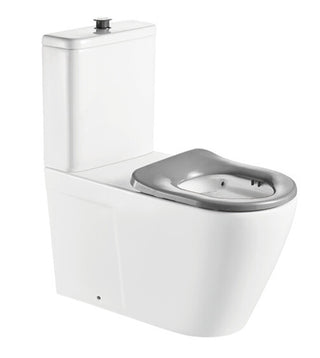
Standard back to wall pans sit at around 790mm high. If you need a taller option for comfort or ambulant accessibility compliance (AS1428.1), consider an overheight model like the Siena Overheight at 860mm. This is especially important for elderly users or households with mobility considerations.
-
5
Plan Your Cistern Concealment
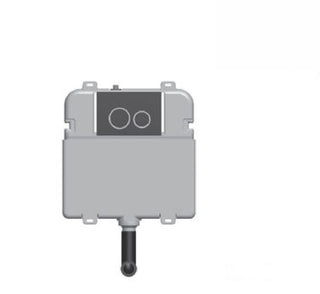
The cistern needs to be hidden behind the wall or inside a furniture unit. Ensure your wall cavity has enough depth (typically 100–120mm) and that access panels are planned for future maintenance. Your plumber can advise on the best approach for your specific bathroom layout.
-
6
Choose Your Flush Technology
Rimless flushing is now the standard for modern back to wall toilets. Unlike traditional rimmed bowls, rimless designs direct water around the entire bowl surface for more hygienic, efficient cleaning. All Siena back to wall suites feature rimless technology as standard.

Shop Back to Wall Toilets
Explore our full range of rimless back to wall toilet suites by Alba, designed for modern Australian bathrooms. All models include soft-close seats, 15-year warranty, and free Adelaide metro delivery on orders over $500.


Frequently Asked Questions
What is the difference between a back to wall toilet and a close-coupled toilet?
A close-coupled toilet has the cistern visibly mounted on top of the pan, while a back to wall toilet conceals the cistern behind the wall or inside a furniture unit. This gives back to wall models a cleaner, more streamlined appearance with fewer gaps for dirt to accumulate.
Do I need a special wall to install a back to wall toilet?
No. Unlike wall-hung toilets, back to wall models sit on the floor and do not require structural wall support. You will need a wall cavity or furniture unit deep enough to house the concealed cistern (typically 100–120mm), but the pan itself is floor-mounted and does not put load on the wall.
What is a rimless toilet and why does it matter?
A rimless toilet has no traditional rim around the inside of the bowl. Instead, water is directed around the bowl from a direct flush point, providing more consistent coverage and eliminating the hidden channel where bacteria and limescale typically build up. This makes rimless toilets significantly easier to clean and more hygienic than traditional rimmed designs.
How do I know if my bathroom is compatible with a back to wall toilet?
You need to check two things: your trap type (S-trap for floor waste or P-trap for wall waste) and your set-out distance (the measurement from the wall to the centre of the waste pipe). Our Siena back to wall range supports S-trap installations with set-outs from 85mm to 170mm, which covers most standard Australian bathroom layouts.
What is an overheight toilet and who is it for?
An overheight toilet has a taller pan (around 860mm vs the standard 790mm), making it easier to sit down and stand up. This is ideal for taller individuals, elderly users, or anyone with mobility considerations. Our Siena Overheight model is also ambulant compliant to AS1428.1, making it suitable for accessible bathroom designs.
Do your back to wall toilets come with a seat?
Yes. All Siena back to wall toilet suites include a soft-close seat with a quick-release mechanism as standard. The soft-close prevents slamming, and the quick-release feature allows you to easily remove the seat for thorough cleaning.
What warranty do your toilets come with?
All Alba toilet suites sold through Reno Supplies come with a 15-year manufacturer warranty, giving you long-term peace of mind. This covers manufacturing defects in the ceramic pan and cistern components.
Can I install a back to wall toilet myself?
While it is technically possible for experienced DIYers, we strongly recommend using a licensed plumber for all toilet installations. This ensures the work meets Australian plumbing standards, protects your warranty, and avoids potential issues with water connections and waste sealing.