





What to Know Before You Buy a Rimless Toilet
From hygiene benefits and flushing technology to compatibility with your existing plumbing — everything you need to consider before choosing a rimless toilet for your bathroom.
Shop Rimless ToiletsWhat Is a Rimless Toilet
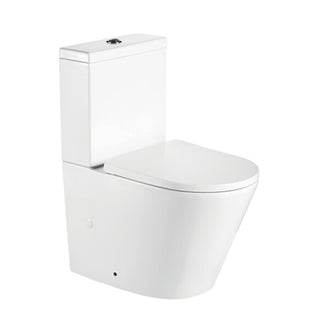
A rimless toilet is designed without the traditional rim that runs around the inside of the bowl. In a conventional toilet, water flows through a channel hidden under the rim during flushing — but this channel is also where bacteria, limescale, and grime tend to accumulate out of sight and out of reach.
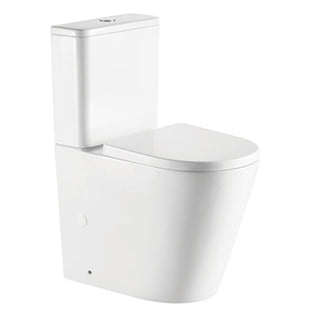
Rimless toilets eliminate this hidden channel entirely. Instead, water is directed from a flush point at the rear of the bowl and flows around the entire surface in a smooth, sweeping motion. The result is a more hygienic flush, easier cleaning, and a toilet that stays fresher between cleans. Rimless technology is now the standard in modern Australian bathroom design and is available across back to wall, close-coupled, and wall hung toilet styles.

Key Benefits of a Rimless Toilet
Superior Hygiene
Without a rim channel for bacteria to hide in, rimless toilets are significantly more hygienic than traditional designs. The open bowl design means every surface is visible and accessible for cleaning, reducing bacterial build-up by up to 95% compared to rimmed models.
Faster, Easier Cleaning
A quick wipe around the bowl is all it takes. There are no hidden edges, undercuts, or channels to scrub. This makes daily maintenance faster and reduces the need for harsh chemical cleaners to reach areas you cannot see.
More Efficient Flushing
Rimless flush technology directs water in a powerful, sweeping motion around the entire bowl surface. This provides more consistent coverage than a traditional rim flush, often using less water to achieve a better result.
Modern, Clean Aesthetic
The smooth, uninterrupted bowl edge of a rimless toilet gives it a cleaner, more refined look compared to traditional rimmed designs. It is a subtle but noticeable detail that complements contemporary bathroom styling.
Rimless vs Traditional Rimmed Toilets
See how rimless flushing technology compares to traditional rimmed designs across the factors that matter most for hygiene, cleaning, and performance.
| Rimless | Traditional Rimmed | Back to Wall | |
|---|---|---|---|
| Bowl Design | Open, smooth edge | Hidden rim channel | Varies by model |
| Hygiene | Excellent — no hidden areas | Lower — bacteria hides under rim | Depends on rimless vs rimmed |
| Cleaning Effort | Quick wipe, no scrubbing under rim | Requires rim brush and chemicals | Same as rimless/rimmed design |
| Flush Coverage | Full bowl — sweeping water flow | Partial — relies on rim holes | Varies by flush system |
| Water Efficiency | Optimised — direct flush path | Standard — some water lost in rim | Varies by cistern design |
| Limescale Build-Up | Minimal — no hidden channels | Common — builds under rim | Depends on design |
| Price Premium | Minimal — now standard on most models | Budget option still available | Rimless models slightly higher |
Your Pre-Purchase Checklist
Rimless toilets are a straightforward upgrade from traditional rimmed models. Here is what to check before you order to make sure you get the right fit for your bathroom.
-
1
Understand How Rimless Flushing Works
Rimless toilets use a direct flush system that shoots water from the back of the bowl in a powerful, sweeping motion. The water hugs the bowl wall and travels around the full circumference before draining. This is different from traditional toilets where water drips through small holes under the rim. Understanding this helps you appreciate why the bowl shape and flush pressure matter.
-
2
Check Splash Guard Design
Because rimless toilets have no rim to contain water, good models include a carefully engineered splash guard or raised edge at the front of the bowl to prevent water escaping during flushing. Look for toilets with a proven splash-free design — all Siena rimless models are engineered with this in mind.
-
3
Confirm Compatibility with Your Setup
Rimless technology is available across all toilet types — back to wall, close-coupled, and wall hung. You do not need to change your plumbing or waste configuration to switch to a rimless model. Simply match the trap type (S-trap or P-trap) and set-out distance to your existing setup, just as you would with any toilet replacement.
-
4
Consider Your Household Needs
Rimless toilets are particularly beneficial for households with young children (easier to keep clean), allergy sufferers (reduced bacterial and mould growth), and anyone who values low-maintenance bathroom fixtures. If hygiene and easy cleaning are priorities, rimless is the clear choice.

Shop Rimless Toilets
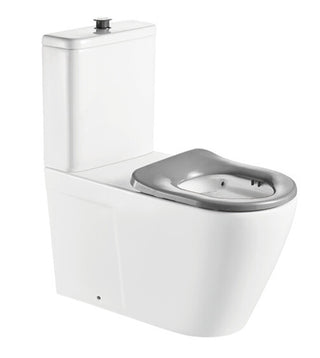
Every toilet in our range features rimless flushing technology as standard. Explore the full Siena collection by Alba — including standard height, overheight, and care models — all with soft-close seats and 15-year warranty.


Frequently Asked Questions
Do rimless toilets splash more than traditional toilets?
Well-designed rimless toilets should not splash. Quality models include a raised front edge or splash guard that contains the water during flushing. Our Siena rimless range is engineered specifically to prevent splashing while maintaining full bowl coverage during the flush cycle.
Are rimless toilets more expensive than rimmed toilets?
Rimless technology has become so widespread that the price difference is now minimal. In many cases, rimless models are priced the same as their rimmed equivalents. Our Siena Rimless Back-to-Wall Toilet Suite starts at $353, which is competitive with traditional rimmed toilets of similar quality.
Can I replace my existing rimmed toilet with a rimless model?
Yes. Rimless toilets use the same plumbing connections as traditional rimmed models. As long as you match the trap type (S-trap or P-trap) and set-out distance to your existing setup, a rimless toilet is a direct replacement. No additional plumbing work is required.
How much easier is a rimless toilet to clean?
Significantly easier. With a traditional rimmed toilet, you need a rim brush and often chemical cleaners to reach the hidden channel under the rim. With a rimless toilet, the entire bowl surface is open and accessible — a quick wipe with a standard toilet brush or cloth is all that is needed. Most users report spending less than half the time on cleaning compared to a rimmed toilet.
Is rimless flushing as powerful as traditional flushing?
Yes, and in many cases more effective. Rimless flush systems direct water in a concentrated, sweeping motion around the full bowl surface, rather than relying on gravity to drip water through small rim holes. This provides more consistent coverage and a more thorough clean with each flush.
Do rimless toilets use more or less water?
Rimless toilets typically use the same amount of water as rimmed models (most Australian dual-flush toilets use 4.5L full flush and 3L half flush). However, because the water flow is more direct and efficient, rimless toilets often achieve better cleaning performance from the same volume of water.
Are all your toilets rimless?
Yes. Every toilet in the Reno Supplies range features rimless flushing technology as standard. We believe rimless is the modern standard for hygiene and ease of maintenance, so we do not stock traditional rimmed models.
What is the difference between rimless and tornado flush?
Both are marketing terms for similar technology. Rimless refers to the absence of a traditional rim channel, while tornado flush describes the swirling water motion used in some rimless designs. The core principle is the same: water is directed around the bowl in a sweeping motion without a hidden rim channel. Different manufacturers use different names, but the hygiene and cleaning benefits are comparable.