





What to Know Before You Buy a Wall Hung Toilet
From in-wall frames and weight ratings to flush plates and plumbing requirements — everything you need to consider before choosing a wall hung toilet for your bathroom.
Shop Wall Hung ToiletsWhat Is a Wall Hung Toilet
A wall hung toilet is mounted directly to the wall with no contact with the floor. The cistern and all plumbing are concealed inside the wall cavity behind a support frame, leaving only the pan and flush plate visible. This creates a floating, minimalist look that is a hallmark of high-end bathroom design.
Wall hung toilets are increasingly popular in Australian renovations where a clean, contemporary aesthetic is the priority. They make floor cleaning effortless (you can mop directly underneath), save visual space in smaller bathrooms, and allow you to set the pan height to suit your household. However, they do require more planning during the rough-in stage compared to floor-mounted alternatives.
Key Benefits of a Wall Hung Toilet
Floating, Minimalist Design
With the pan suspended off the floor and all plumbing hidden inside the wall, wall hung toilets create the cleanest possible bathroom aesthetic. The result is a sleek, uncluttered look that makes even small bathrooms feel more spacious.
Effortless Floor Cleaning
Because the toilet is raised off the floor, you can mop or vacuum directly underneath without any obstacles. There are no base joints, silicone seals, or hard-to-reach gaps where grime typically accumulates around floor-mounted toilets.
Adjustable Pan Height
Unlike floor-mounted toilets with a fixed height, wall hung models let you set the pan at whatever height suits your household during installation. This is ideal for taller users, accessibility requirements, or simply personal comfort preference.
Space-Saving Footprint
Wall hung toilets project less into the room than close-coupled suites, freeing up valuable floor space. Combined with the visual lightness of a floating design, they are an excellent choice for compact ensuites and powder rooms.
How Wall Hung Compares
See how wall hung toilets compare to back to wall and close-coupled alternatives across the factors that matter most.
| Wall-Hung | Back to Wall | Close-Coupled | |
|---|---|---|---|
| Cistern Visibility | Concealed behind wall | Visible, mounted on pan | Fully concealed in-wall |
| Ease of Cleaning | Easy — pan flush to wall | Moderate — gaps behind cistern | Easiest — mop under pan |
| Typical Price Range | $350 – $960 | $200 – $500 | $600 – $1,500+ |
| Installation Complexity | Standard — similar to close-coupled | Simplest — direct replacement | Complex — in-wall frame required |
| Floor Footprint | Compact — no rear cistern bulk | Larger — cistern extends back | Smallest — floats off floor |
| Wall Strength Required | No — sits on floor | No — sits on floor | Yes — structural frame needed |
| Pan Height Adjustable | No — fixed by pan design | No — fixed by pan design | Yes — set during installation |
| Best For | Modern renovations on a budget | Quick replacements, rentals | High-end designer bathrooms |
Your Pre-Purchase Checklist
Wall hung toilets require more upfront planning than floor-mounted models. Running through these steps before you order will help ensure a smooth installation and a result you are happy with.
-
1
Check Your Wall Structure
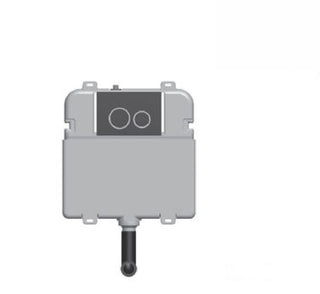
Wall hung toilets require a steel support frame (sometimes called a concealed cistern frame) that is fixed to the floor and secured to the wall studs. The wall must be strong enough to support the frame, cistern, and the weight of the user. This is best assessed by your builder or plumber before you commit to a wall hung design.
-
2
Plan Your Wall Cavity Depth
The in-wall frame and concealed cistern need a cavity depth of approximately 120–200mm depending on the frame system. If you are building a new stud wall or thickening an existing wall, factor this into your bathroom layout early. Your plumber will need access during the rough-in stage before tiling.
-
3
Choose Your Flush Plate Style
Unlike floor-mounted toilets with a button on the cistern, wall hung toilets use a separate flush plate mounted on the wall above the pan. Flush plates come in a range of finishes (chrome, matte black, brushed nickel, white) and styles (round, square, dual-flush). Choose one that matches your tapware and bathroom hardware.
-
4
Decide on Your Pan Height
One of the key advantages of wall hung toilets is that you can set the pan height during installation. The standard comfortable height is around 400–420mm from floor to seat. Consider the primary users of the bathroom — taller individuals or those with mobility needs may prefer a higher setting.
Shop Our Toilet Range
While we are expanding our wall hung range, explore our current selection of rimless back to wall toilet suites by Alba — a great alternative that delivers a similar clean aesthetic at a more accessible price point.


Frequently Asked Questions
How much weight can a wall hung toilet support?
Most wall hung toilet frames are engineered to support 400kg or more, which is well above the weight of any single user. The strength comes from the steel frame that is bolted to the floor and wall studs, not from the wall itself. When installed correctly by a licensed plumber, wall hung toilets are just as robust as floor-mounted models.
Is a wall hung toilet harder to install than a back to wall toilet?
Yes. Wall hung toilets require a steel in-wall frame, concealed cistern, and wall-mounted waste and water connections — all of which need to be installed during the rough-in stage before the wall is closed and tiled. This makes them more complex and typically more expensive to install than back to wall or close-coupled toilets, which simply sit on the floor.
Can I install a wall hung toilet on any wall?
Not every wall is suitable. The wall needs to accommodate a support frame that is fixed to the floor slab and secured to wall studs. Solid masonry walls, timber-framed walls with adequate studs, and purpose-built stud walls can all work, but your plumber or builder should assess the specific wall before proceeding.
What happens if the concealed cistern needs repairs?
The concealed cistern is accessed through the flush plate opening. Most modern in-wall cisterns are designed so that all serviceable components (inlet valve, flush valve, float) can be reached and replaced through this opening without removing any tiles or cutting into the wall.
Are wall hung toilets more expensive than back to wall toilets?
Generally yes, both in product cost and installation cost. The toilet pan itself may be similarly priced, but you also need to purchase a separate in-wall frame and concealed cistern, plus a flush plate. Installation labour is also higher due to the structural and plumbing work involved. However, many homeowners consider the premium aesthetic and easier cleaning worth the additional investment.
Can I retrofit a wall hung toilet into an existing bathroom?
It is possible but requires significant work. You will need to build out or modify the wall to create a cavity for the frame and cistern, re-route the waste pipe from the floor (S-trap) to the wall (P-trap), and potentially reinforce the wall structure. This is best suited to full bathroom renovations rather than simple toilet replacements.
What flush plate finishes are available?
Flush plates come in a wide range of finishes to match your bathroom hardware, including chrome, matte black, brushed nickel, brushed gold, and white. They are also available in different shapes (round, square, rectangular) and button configurations (dual-flush with two buttons or a single push plate).
Do wall hung toilets use rimless flushing?
Many modern wall hung toilets feature rimless flushing technology, which directs water around the entire bowl without a traditional rim. This provides more hygienic, easier-to-clean performance. When choosing a wall hung toilet, look for rimless models to get the best combination of design and hygiene.