









Fitting out a bathroom looks simple from the outside, but anyone who has run a job knows the truth. Every fixture has a location, a rough-in, a waterproofing consequence, and a client who has opinions. When you are sourcing trade bathroom supplies in Adelaide, the win is not just cheap gear. It is having the right products, agreed early, delivered on time, and matched to a locked plan.
Whether you are a builder coordinating trades or a renovator working closely with one, this walkthrough covers how to specify, source, and stage a bathroom fit-out so the job flows. Expect practical steps, a few honest caveats, and a clear way to keep everyone on the same page from demolition to final silicone.
Who Supplies What In A Bathroom Fit-Out
One of the most common early questions is who buys the tapware, the toilet, the vanity, and the rest. There is no single rule. Some builders supply everything under a fixed package, while others expect the client to nominate fixtures and buy them. What matters is that the answer is written down before work starts, not assumed halfway through.
Why Should You Lock Specifications Before Anything Starts
The strongest and most consistent lesson from experienced renovators is simple. Agree every specification and layout before a single tile comes off the wall. Vague briefs are where budgets blow out and relationships sour. Renovation guides back this up, and detailed planning advice from builders' bodies stresses that layout, fixture positions, clearances, and finishes should be finalised before the work begins, precisely to dodge costly changes later.
A full specification list removes guesswork. It tells the plumber where the outlets sit, tells the tiler the finish, and tells the supplier exactly what to pick and pack. Evidence from bathroom-fitting resources shows that basing the job on a detailed spec before installation and ordering reduces omissions and confusion for both trades and suppliers. When the spec is clear, quotes are accurate and changes are rare.
What Should A Locked Specification Include
-
Fixture list with make, model, colour, and finish for tapware, showers, toilet, basin, and bath
-
Rough-in dimensions so plumbing and framing land in the right spot
-
Waterproofing scope and who is responsible for sign-off
-
Tile selections and the surface areas they cover
-
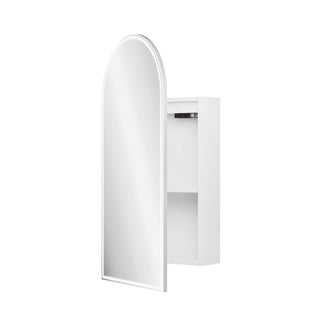
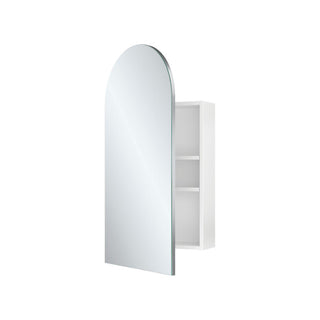
Accessories such as towel rails, hooks, and mirrors
-
Who supplies each item, the builder or the client
Get this agreed and signed, and most disputes simply never happen. Leave it loose, and you invite different expectations that only surface once the work is well underway.
How Do Detailed Plans Keep Trades On The Same Page
Builders generally do not draw plans. That is the job of an architect or a draftsperson. Industry sources back this split, noting that builders construct and manage the build while architects and draftspeople create the design and construction drawings, though the exact division can vary by project. Even so, a set of clear working drawings is worth its weight, especially when solid walls, awkward services, or a tight footprint make the job tricky.
Community observation backs this up. People who drew even basic layouts found subcontractors worked faster and made fewer mistakes, because everyone shared one visual reference instead of a memory of a conversation.
When Should You Bring In A Draftsperson Or Architect
For a straight swap of like-for-like fixtures, a good spec list may be enough. For anything with meaningful layout change, moved walls, or relocated services, professional drawings pay for themselves. Design and planning resources such as bathroom layout planning tools note that scaled plans capture measurements, fixture placement, and clearances needed for accurate work. They provide the detail needed for precise work and confirm the scope with the client so nobody is surprised at handover.
-
Minor refresh - spec list plus a marked-up photo often does the job
-
Moderate reno - a draftsperson can provide adequate detail for trades to price and build
-
Major rework - an architect or draftsperson is worth engaging early for layout and coordination
Which Fixtures Should You Source First
Sequencing matters. Some items dictate the rough-in and must be chosen before the plumber sets pipes. Guidance on rough-in dimensions confirms that fixtures like toilets, baths, and shower systems need to be picked early so the plumber can set drains and stub-outs to match. Others can be selected later without slowing the job. Ordering in the wrong sequence is a classic cause of delays and re-work, and renovation guides consistently recommend locking long-lead items early to avoid exactly that.
What Is The Practical Order For Ordering Fixtures
|
Phase |
Fixtures to lock |
Why the timing matters |
|---|---|---|
|
Before rough-in |
Toilet, bath, shower system, tapware, floor and wall wastes |
These set pipe locations and heights that cannot easily change later |
|
Before waterproofing and tiling |
Shower outlets, niches, floor falls, mixer positions |
Waterproofing and tile layout depend on final wet-area details |
|
Fit-off stage |
Vanity, basin, mirror, towel rail, accessories |
These install last and offer flexibility on final selection |
Getting the front of this list right is what keeps a job on schedule. A late change to a toilet pan or shower mixer can mean chasing walls that were already waterproofed, and that is where budgets hurt. Renovation planning guides describe this rough-in, wet-area, then fit-off order as the standard way to keep a job moving.
For the items that shape your rough-in, start with the wet-area gear. Browse dependable shower systems for bathroom fit-outs and confirm outlet positions before the plumber returns.
[collection-carousel=”showers-1”]
How Do You Choose Reliable Trade Bathroom Supplies
Price is easy to compare. Availability, consistency, and after-sales support are harder, and they matter more on a live job. A slightly cheaper item that arrives late or in the wrong finish costs far more than the saving.
What Should You Check Before You Commit To A Supplier
-
Stock depth so you are not waiting weeks on a back-order mid-job
-
Finish consistency across tapware, wastes, and accessories for a matched look
-
Clear specs including rough-in details and warranty terms
-
Trade support for pricing, bulk orders, and quick reorders
-
Compliance with Australian standards for water and plumbing products
That last point is not optional. Plumbing products installed in Australia need to meet the requirements set out in the Plumbing Code of Australia, and many carry WaterMark certification so they can be legally installed. Checking for the right marks up front saves a nasty surprise at inspection.
Matching finishes is an underrated detail. Mixing brushed and chrome by accident, or ordering a towel rail that clashes with the tapware, is the sort of small miss that a tidy supply list prevents. That said, the evidence here is a bit mixed. Chrome tends to be easier to mix and match because it is more uniform across brands, while brushed finishes can vary from one maker to the next, so a deliberate list matters even more when you go brushed.
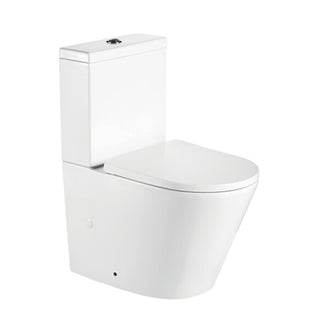
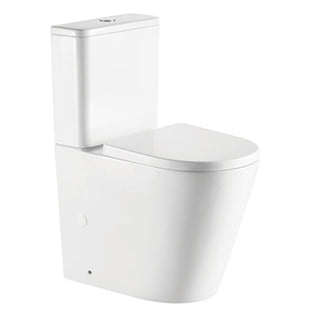
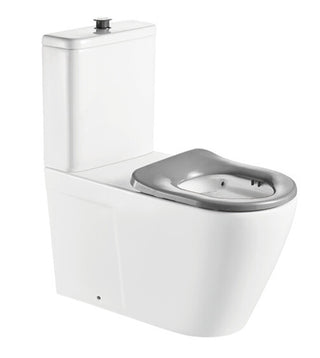
For the plumbing hardware that ties everything together, sensible toilet options for quick fit-out sourcing keep your rough-in decisions simple and repeatable across jobs.
[collection-carousel=”toilets”]
Why Do Builders Resist Late Scope Changes
It can feel odd when a builder pushes back on a small change. From their seat it makes sense. A tweak that seems minor to a client can ripple through the schedule, force a trade to return, and add cost that was never quoted. Construction management resources on how scope changes affect schedules describe exactly this ripple effect across subcontractors and timelines.
This is a nuanced point rather than a hard rule. Good builders will accommodate reasonable changes, but the smoother path is to lock variables before the contract is signed. Fewer changes mid-job means fewer delays and fewer awkward variation conversations.
How Can You Request Changes Without Derailing The Job
-
Bundle any changes early, before rough-in wherever possible
-
Put the request in writing with the exact product and location
-
Ask for the schedule and cost impact up front
-
Confirm the variation before the trade proceeds
Treated this way, changes become a controlled decision rather than a source of friction. Everyone knows the cost, the timing, and the outcome.
What Rounds Out A Complete Bathroom Fit-Out
Once the wet-area gear is locked, the finishing items bring the room together. These are also the pieces clients notice most, so quality and consistency count.
Which Finishing Items Are Easy To Overlook
-
Vanity and basin sized to the layout and plumbing rough-in
-
Tapware matched across the room for a unified finish
-
Wastes and outlets chosen to suit the falls and the floor build-up
-
Mirror, towel rail, and accessories for the final fit-off
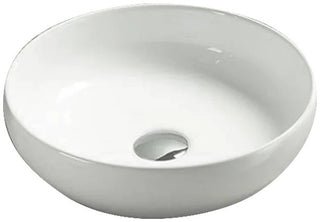
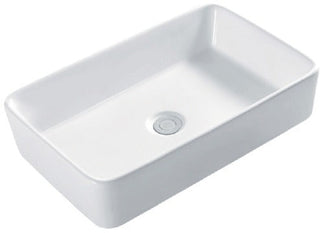
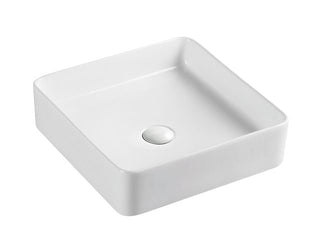
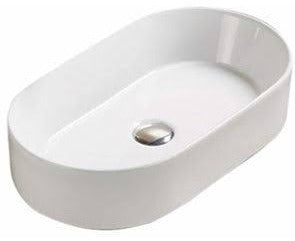
Pull the finishing selections together with a considered range of vanities and basins for bathroom fit-outs, then confirm dimensions against the vanity waste and mixer position.
[collection-carousel=”basins”]
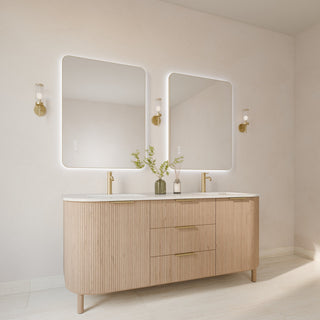
Small details make the fit-off feel deliberate. A matched towel rail, a well-placed mirror, and consistent tapware finishes turn a competent renovation into one that photographs well and holds up over time.
What The Evidence Shows About Planning A Fit-Out
-
Locking layout, fixture positions, and finishes before demolition is widely backed by renovation planning guides as the best way to avoid costly late changes.
-
A detailed specification list genuinely reduces guesswork for trades and suppliers, so everyone works from the same picture.
-
Rough-in-critical fixtures like toilets, baths, and shower systems should be chosen first, because their dimensions dictate where pipes and drains land.
-
Plumbing products need to meet Australian standards, with many requiring product certification such as WaterMark before they can be installed.
-
The evidence on finish matching is a little mixed. Deliberate selection clearly helps, but brushed finishes vary more between brands than chrome, so a tidy list matters most there.
How Can We Help You Supply The Next Fit-Out
Bring your locked spec list, your rough-in details, and your finish preferences, and the supply side becomes the easy part. The goal is one coordinated order that lands on time, in the right finishes, ready for each stage of the job.
What Are The Practical Next Steps
-
Confirm the layout and specifications with the client in writing
-
Order rough-in-critical fixtures first, then wet-area details, then fit-off items
-
Match finishes across tapware, wastes, and accessories
-
Stage deliveries to align with your trade schedule
If you are pricing a full room, the bathroom renovation packages for Adelaide builders pull the core fixtures together so you can quote and order with confidence.
[collection-carousel=”tapware”]
What Are The Key Takeaways For A Smooth Fit-Out
Fit-outs run best when the thinking happens up front. Lock the spec, share clear plans, and order in the right sequence, and the rest tends to fall into place.
-
Agree everything before starting to avoid costly guesswork
-
Use clear drawings so every trade shares one reference
-
Order rough-in fixtures first to protect the schedule
-
Choose supply on availability and consistency, not price alone
-
Bundle changes early to keep the job moving
Do these well and a bathroom fit-out stays predictable, tidy, and on time. That is good for your schedule, your margin, and the client who has to live in the room long after the last trade drives off.