


Planning a bathroom renovation can feel overwhelming, especially when you're trying to balance style, functionality, and budget. While renovating your bathroom is one of the most rewarding home improvement projects, it's also one where small oversights can lead to big headaches down the track. Understanding common bathroom renovation mistakes before you start can save you thousands of dollars and months of frustration.
From poor space planning to inadequate ventilation, these pitfalls can turn your dream bathroom into a maintenance nightmare. The good news is that most renovation mistakes are completely avoidable with proper planning and the right knowledge. Whether you're doing a complete overhaul or just updating key elements, knowing what to watch out for will help you create a bathroom that looks great and functions perfectly for years to come.
We'll walk you through the ten most frequent bathroom renovation mistakes that catch homeowners off guard, plus practical strategies to sidestep each one. By the end, you'll have the confidence to make smart decisions that deliver the bathroom you actually want to live with.
What Space Planning Mistakes Should You Avoid
Why Dual Vanities Aren't Always The Answer
One of the biggest space planning mistakes is installing dual vanities when they're not actually needed. Many homeowners assume that two basins automatically mean better functionality, but this isn't always true. Research shows that dual vanity installations are a frequent error, particularly in smaller bathrooms where space is limited. Consider how you and your partner actually use the bathroom - do you really need to brush your teeth at the same time every morning?
Dual vanities take up significant space and create extra cleaning work. Double vanities typically require 60-72 inches of width plus 30-36 inches of front clearance, which can consume substantial space in smaller bathrooms. If you're not regularly using both basins simultaneously, you're better off prioritising storage space or creating a more generous single vanity area. A larger single vanity with ample bench space and storage will often serve you better than two cramped basin areas.
Smart alternative - Design a spacious single vanity with clever storage solutions like floating cabinets, pull-out drawers, and integrated organisers. You'll get more storage capacity and easier maintenance.
How To Plan Your Shower Space Properly
Shower planning mistakes often stem from trying to squeeze too much into too small a space. The most common error is creating shower enclosures that don't adequately contain water spray. Short glass screens might look sleek, but they'll leave you constantly mopping up water splashes around your bathroom floor.
When planning your shower area, think about water containment from day one. Studies show that well-designed showers with proper slope and containment features effectively prevent water splashing onto bathroom floors. Full glass screens or properly designed enclosed spaces prevent water from splashing throughout the bathroom, keeping your floors safer and reducing ongoing maintenance.
|
Shower Design Option |
Water Containment |
Cleaning Requirements |
Best For |
|---|---|---|---|
|
Full Glass Enclosure |
Excellent |
Moderate |
Most bathroom sizes |
|
Half Glass Screen |
Poor |
High (constant mopping) |
Very large bathrooms only |
|
Tiled Shower Nook |
Excellent |
Low |
Compact spaces |
|
Shower Curtain |
Good |
Low |
Budget renovations |
Which Ventilation And Lighting Errors Cost You Most
Why Your Exhaust Fan Choice Matters More Than You Think
Skimping on exhaust fan quality is one of the most expensive long-term mistakes you can make. Poor-quality exhaust fans fail to remove moisture effectively, leading to mould, mildew, and potential structural damage over time. The cost of dealing with moisture problems far exceeds the initial investment in a quality ventilation system.
Choose the best exhaust fan your budget allows, and make sure it's appropriately sized for your bathroom volume. Research indicates that undersized fans cannot generate sufficient air exchange to reduce humidity below the 60% threshold where mould thrives. A fan that's too small won't adequately remove moisture, while an oversized fan can be unnecessarily noisy and waste energy.
Pro tip - Look for exhaust fans with humidity sensors that automatically activate when moisture levels rise. This ensures optimal ventilation without you having to remember to turn them on.
How To Plan Lighting That Actually Works
Lighting planning is often left until too late in the renovation process, resulting in poorly positioned fixtures and inadequate illumination. Design experts consistently highlight that inadequate lighting planning leads to harsh shadows, dark spots, and uneven illumination. Early lighting planning during the design phase allows you to create layered lighting that serves both functional and aesthetic purposes.
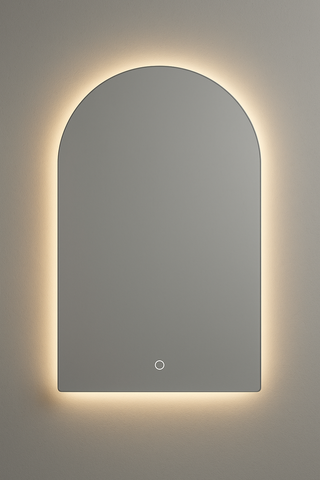
Consider multiple lighting sources including overhead lighting, vanity lighting, and accent lighting. Downlights can significantly enhance the mood and vibe of your bathroom, creating a more pleasant daily experience. Plan electrical work early so you're not limited by existing wiring constraints.
-
Task lighting around the vanity mirror for grooming activities
-
Ambient lighting for general illumination and atmosphere
-
Accent lighting to highlight design features
-
Natural lighting optimisation through window placement or skylights
What Vanity and Storage Decisions Create Long-Term Problems
Why Floating Vanities Make Practical Sense
Traditional floor-mounted vanities can create cleaning challenges and missed storage opportunities. Multiple design sources confirm that floating vanities simplify cleaning by allowing easy access to floor areas underneath, making your weekly bathroom clean much more manageable.
Beyond cleaning benefits, floating vanities can incorporate hidden storage features and create a more spacious visual feel in smaller bathrooms. They also allow for flexible storage solutions underneath, such as baskets or additional shelving that can be easily reconfigured as your needs change.
[collection-carousel="basins"]
How To Avoid Storage Planning Oversights
Inadequate storage planning forces you to keep bathroom essentials on countertops, creating visual clutter and making cleaning more difficult. Plan storage for everything you currently keep in your bathroom, plus room for future additions.
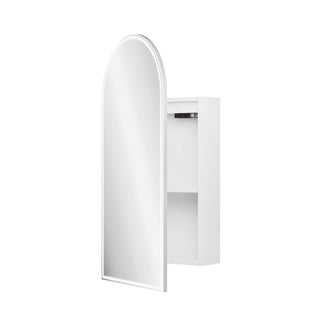
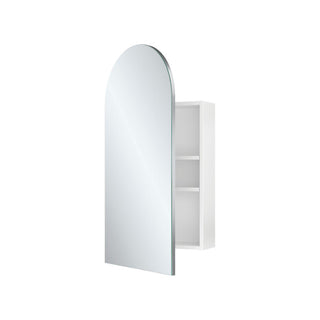
Consider both visible and hidden storage options. Medicine cabinets, drawer organisers, built-in niches, and under-sink storage can keep your bathroom functional without sacrificing style. Think about the specific items you use daily and design storage that makes sense for your routines.
Which Material Choices Lead To Maintenance Headaches
Why Mosaic Tiles In Showers Create Problems
While mosaic tiles can look stunning, installing them in shower areas often creates long-term maintenance challenges. Industry guides consistently highlight that the numerous grout lines in mosaic installations provide more opportunities for mould and mildew growth, and cleaning between tiny tiles becomes a time-consuming chore.
If you love the mosaic look, consider using them as accent features in areas that don't get directly wet, such as behind the vanity or as a border detail. For shower walls, larger format tiles with fewer grout lines will serve you better over time.
How To Choose Materials That Hide Dirt
Some material choices show every water spot, soap residue, and bit of dust, making your bathroom look dirty even when it's recently cleaned. Choosing colours and patterns that naturally conceal everyday dirt will keep your bathroom looking fresh with less frequent deep cleaning.
Research shows that darker or medium-toned grouts hide dirt and stains better than light or white options, though the evidence is still emerging on how patterns specifically help disguise water marks and soap buildup. Single-surface vanity tops in light solid colours tend to show dirt more readily than natural stone patterns or darker engineered surfaces.
-
Medium grey grout instead of white or very dark options
-
Patterned or textured tiles rather than solid colours
-
Matte finishes that don't highlight water spots
-
Natural stone patterns that camouflage everyday wear
[collection-carousel="accessories"]
What Plumbing And Installation Errors Prove Most Costly
Why DIY Plumbing Often Backfires
Bathroom renovations involve complex plumbing work that requires proper expertise and compliance with Australian building standards. Multiple industry sources report that improper installation of pipes, waterproofing, or drainage systems frequently results in leaks, flooding, and expensive water damage that far exceeds the cost of professional installation.
While some renovation tasks are suitable for capable DIY enthusiasts, plumbing work typically isn't one of them. The risk of leaks, flooding, or non-compliant installations can create problems that are expensive and disruptive to fix later.
How Inadequate Waterproofing Creates Disasters
Waterproofing is one area where cutting corners or lacking expertise can lead to catastrophic problems. Building experts consistently identify that improper waterproofing membrane installation, missed corners, or inadequate sealing around fixtures can allow water to penetrate into wall cavities and floor structures.
Water damage from poor waterproofing often goes unnoticed until significant structural damage has occurred. Professional waterproofing that complies with Australian standards is essential insurance against expensive remedial work down the track.
Red flags to watch for - Musty odours, loose tiles, paint bubbling on adjoining walls, or visible water stains all suggest potential waterproofing failures that need immediate professional attention.
[collection-carousel="tapware"]
Which Heating And Comfort Features Should You Prioritise
Why Heated Towel Rails Make Practical Sense
Installing heated towel rails near the shower area serves multiple practical purposes beyond just warming towels. They efficiently manage towel drying space, reduce humidity in the bathroom, and can increase comfort during colder months.
Heated towel rails are particularly valuable in Australian climates where high humidity can make towel drying challenging. They also free up other storage space since towels dry more quickly and don't need to be spread across multiple hanging areas.
How To Plan Heating Without Overdoing It
While comfort features like underfloor heating and heated mirrors can enhance your bathroom experience, they're not essential in all Australian climates. Focus your budget on heating solutions that provide the most practical benefit for your specific situation and climate zone.
Consider your local weather patterns, how you use your bathroom, and your energy costs when deciding on heating features. Sometimes a well-positioned heated towel rail provides more practical benefit than expensive underfloor heating systems.
[collection-carousel="towel-rail"]
What Budget And Planning Mistakes Cause The Most Stress
Why Unrealistic Budgets Lead To Compromise
Setting an unrealistic renovation budget often forces you to make compromises that affect the long-term functionality and satisfaction with your bathroom. Industry analysis consistently shows that unrealistic budgets frequently lead to using cheap, short-lived materials and suboptimal choices that impact long-term functionality. When your budget is too tight, you might skip important elements like quality waterproofing, adequate storage, or proper ventilation.
Build a realistic budget that includes a contingency for unexpected issues. Bathroom renovations often uncover problems like outdated plumbing, structural issues, or electrical work that wasn't anticipated in the original scope.
|
Budget Category |
Typical Percentage |
What It Covers |
Compromise Risk |
|---|---|---|---|
|
Labour |
35-45% |
Professional trades and installation |
High - affects quality and compliance |
|
Fixtures and Fittings |
25-35% |
Vanity, toilet, shower, tapware |
Medium - affects daily functionality |
|
Tiles and Finishes |
15-25% |
Wall and floor finishes, paint |
Low - mainly aesthetic impact |
|
Contingency |
10-15% |
Unexpected issues and changes |
Critical - prevents project delays |
How Poor Timeline Planning Creates Problems
Rushing bathroom renovations often leads to poor decision-making and increased costs. Allow adequate time for planning, product selection, permit approvals, and the actual renovation work. A compressed timeline forces you to accept whatever products are immediately available rather than choosing the best options for your needs.
Factor in potential delays for weather, product availability, permit processing, and any unexpected issues that arise during construction. A realistic timeline reduces stress and allows for better decision-making throughout the process.
What the research says about bathroom renovation success
-
Proper space planning for actual usage patterns prevents costly layout regrets - dual vanities aren't automatically better if you don't use both simultaneously
-
Quality ventilation systems with appropriate sizing prevent mould, structural damage, and expensive remedial work
-
Professional waterproofing and plumbing installation significantly reduces risk of catastrophic water damage
-
Evidence is still emerging on which specific grout colours and patterns best disguise everyday dirt and soap buildup
-
Early lighting planning prevents poorly positioned fixtures that create shadows and dark spots
-
Realistic budgeting with contingencies helps avoid compromises that affect long-term functionality and satisfaction
How To Move Forward With Your Bathroom Renovation
Now that you understand the most common bathroom renovation mistakes, you can approach your project with confidence. Start with thorough planning that addresses space utilisation, ventilation, storage, and realistic budgeting. Take time to research quality products and professional tradespeople who understand Australian building standards and climate considerations.
Remember that bathroom renovations are significant investments in your home's comfort and value. Avoiding these common mistakes will help ensure your new bathroom serves you well for many years to come. Focus on functionality first, then layer in the aesthetic elements that make the space truly yours.
Consider working with experienced bathroom renovation professionals who can guide you through product selection, space planning, and compliance requirements. Their expertise can help you avoid costly mistakes and ensure your renovation meets all necessary standards.
[collection-carousel="showers-1"]
Whether you're planning a complete renovation or targeted updates, taking time to understand these common pitfalls will help you make informed decisions that deliver the bathroom you really want. Start with a clear vision, plan thoroughly, and don't rush the process - your future self will thank you for the thoughtful approach.
Key Takeaways For Successful Bathroom Renovations
Successful bathroom renovations come down to careful planning, realistic budgeting, and prioritising functionality alongside aesthetics. Focus on space planning that suits how you actually use the bathroom, invest in quality ventilation and waterproofing, and choose materials that balance style with practical maintenance requirements.
Most importantly, don't let the excitement of renovation planning cause you to overlook the fundamentals. A bathroom that functions well, stays dry, and is easy to maintain will provide far more long-term satisfaction than one that looks great but creates ongoing problems. Take your time with the planning phase, and you'll enjoy the results for years to come.