
Choosing the right mirror shapes for your bathroom can completely transform the look and feel of your space. Whether you're working with a compact ensuite or a luxurious master bathroom, the shape you select impacts everything from how spacious your room feels to how well it complements your existing fixtures and fittings.
Beyond just looking good, your bathroom mirror needs to be practical. You'll use it every day for grooming, getting ready, and checking your appearance. The shape affects how much reflection you get, how light bounces around the room, and whether the mirror feels proportional to your vanity and overall design.
From classic rectangular designs to trending arched styles, oval options, and bold geometric shapes, there's a mirror shape that's perfect for your bathroom renovation or update. Let's explore what works best in different spaces and how to make the right choice for your home.
Why Does Mirror Shape Matter In Bathroom Design
The shape of your bathroom mirror affects both the functionality and aesthetics of your space in ways you might not expect. A well-chosen mirror becomes a focal point that ties your design together, while the wrong choice can make even expensive fixtures look mismatched.
How Shape Affects Visual Balance
Round and oval mirrors tend to soften angular bathroom features like square tiles or rectangular vanities. Interior design principles consistently show that curved shapes create a more relaxed, spa-like atmosphere by balancing hard edges and introducing visual calm. In contrast, geometric shapes like rectangles and squares emphasise clean lines and create a more structured, modern feel that aligns with contemporary design trends.
The size relationship between your mirror and vanity is crucial. A mirror that's too small for the space looks out of proportion and reduces functionality. Home improvement feedback consistently shows that when people choose smaller mirrors for aesthetic reasons, they often regret the reduced practical value for daily grooming tasks.
Light Reflection and Room Feel
Different shapes reflect light in unique ways, though experts have different views on exactly how much this varies between mirror shapes. Round mirrors tend to scatter light more evenly, while rectangular mirrors can create more directed reflection, but the evidence is still emerging on precisely how this impacts room brightness.
Curved edges on mirrors also contribute to a gentler, more welcoming atmosphere. Sharp corners can feel more formal or clinical, which works well in some modern designs but might not suit every bathroom style.
What Are The Most Popular Bathroom Mirror Shapes
Understanding the main mirror shape categories helps you narrow down your options and consider what works best with your bathroom's existing features.
Round Mirrors
Round mirrors have surged in popularity over recent years, becoming a go-to choice for many Australian bathrooms. Australian design trends show these mirrors work particularly well in spaces with lots of straight lines and angular features, providing visual relief and a softer feel.
The main advantage of round mirrors is their versatility. They complement both modern and traditional bathroom styles, and their lack of corners makes them feel less imposing in smaller spaces. However, feedback from homeowners suggests that many people initially choose round mirrors that are too small for their space, then wish they'd gone larger.
Round mirrors work especially well when the trim or frame colour coordinates with other bathroom elements like tapware, towel rails, or light fixtures. Black-trimmed round mirrors have become particularly popular, though not all design experts agree on whether this trend will last or is just following the broader matte black accessory movement.
Rectangular and Square Mirrors
Traditional rectangular mirrors remain a classic choice because they maximise reflection area and often provide the most practical everyday use. Design research confirms they're particularly effective above double vanities or long single vanities, where their proportions naturally complement the horizontal lines and offer superior reflection space.
Square mirrors work well in bathrooms with symmetrical layouts or where you want to emphasise geometric design elements. They can make a bold statement while still providing excellent functionality.
Both rectangular and square mirrors tend to feel more formal than curved shapes. They're often the preferred choice in contemporary and minimalist bathroom designs where clean lines are prioritised.
Oval Mirrors
Oval mirrors offer an interesting compromise between round and rectangular shapes. They provide more reflection area than most round mirrors while maintaining the soft, curved aesthetic that many people love.
Design professionals often recommend oval mirrors when homeowners are torn between wanting the visual appeal of a round mirror and the practical benefits of a larger reflection surface. The elongated shape can also help tall or narrow bathrooms feel more proportional.
Oval mirrors work particularly well in bathrooms with arched doorways, curved shower screens, or other organic design elements that echo the mirror's shape.
Which Mirror Shapes Work Best In Different Bathroom Styles
Matching your mirror shape to your bathroom's overall design style ensures everything works together harmoniously. Here's how different shapes complement various bathroom aesthetics.
|
Bathroom Style |
Best Mirror Shapes |
Why It Works |
Things to Avoid |
|---|---|---|---|
|
Modern/Contemporary |
Rectangle, Square, Round with minimal frame |
Clean lines match the aesthetic, geometric shapes feel intentional |
Ornate or heavily decorated frames |
|
Traditional |
Oval, Rectangle with decorative frame |
Classic proportions complement traditional fixtures |
Ultra-modern geometric shapes |
|
Industrial |
Round with dark frame, Rectangle with metal frame |
Raw materials and bold shapes match the aesthetic |
Delicate or ornate designs |
|
Coastal/Hamptons |
Round, Oval, Arched |
Soft shapes complement relaxed, organic feel |
Sharp geometric shapes, dark heavy frames |
How To Choose Based On Your Existing Fixtures
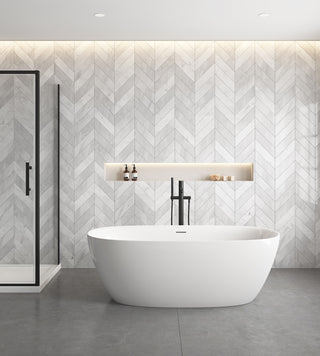
Look at your bathroom's dominant lines and shapes. If you have a lot of rectangular tiles, square shower screens, and linear elements, a round or oval mirror can provide nice contrast. Conversely, if your bathroom features curved elements like a freestanding bath or rounded vanity edges, a rectangular mirror might provide good balance.
Consider your tapware and accessories too. If you've invested in a specific finish like brushed brass or matte black, choosing a mirror with a matching frame creates cohesion throughout the space.
[collection-carousel="mirrors"]
What Size Mirror Shape Works For Your Vanity
Getting the proportions right between your mirror and vanity is essential for both looks and functionality. The wrong size can throw off your entire bathroom's balance.
Standard Sizing Guidelines
For single vanities, design guides suggest your mirror should typically be 60-70% the width of the vanity top, though industry standards vary depending on whether you're planning side lighting or prefer a fuller coverage look. This creates pleasing proportions without overwhelming the space. Round mirrors need to be large enough that they don't look lost above a wide vanity, but not so large they extend beyond the vanity edges.
Double vanities present different challenges. You can choose one large mirror that spans most of the vanity width, or two smaller mirrors positioned above each sink. Round mirrors work well in the dual-mirror approach, while rectangular mirrors often work better as single spanning pieces.
Common Sizing Mistakes To Avoid
-
Choosing a round mirror that looks perfect in isolation but appears too small once installed above your vanity
-
Going too wide with rectangular mirrors, making them extend beyond the vanity edges
-
Selecting mirrors that are too tall for the space between your vanity and ceiling
-
Forgetting to account for light switches, outlets, or other wall fixtures when planning mirror placement
When in doubt, mark out the mirror dimensions on your wall with painter's tape before purchasing. This gives you a much better sense of how the proportions will look in your actual space.
How Do Frame Styles Affect Mirror Shape Choices
The frame or edging treatment significantly impacts how your chosen mirror shape fits into your bathroom design. Understanding these options helps you fine-tune your choice.
Frameless Versus Framed Options
Frameless mirrors create a sleek, minimalist look that works particularly well with geometric shapes like rectangles and squares. They make spaces feel larger and don't compete with other design elements in busy bathrooms.
Framed mirrors can add character and help tie your mirror into your bathroom's colour scheme. Black frames have become especially popular because they coordinate well with contemporary tapware and accessories. However, frames can also limit your shape options, as some frame styles work better with certain mirror shapes.
Matching Frames To Bathroom Hardware
Coordinating your mirror frame with your tapware, towel rails, and light fixtures creates visual continuity. This is particularly effective with round mirrors, where a black frame can echo matte black taps or door handles throughout the space.
However, you don't need an exact match. Similar tones or finishes often work better than trying to match everything precisely, which can feel overly coordinated and sterile.
What About Unique Mirror Shapes Like Arched And Geometric Designs
Beyond the classic shapes, unique mirror designs can create stunning focal points in bathrooms. These options work particularly well when you want to make a design statement.
Arched Mirrors
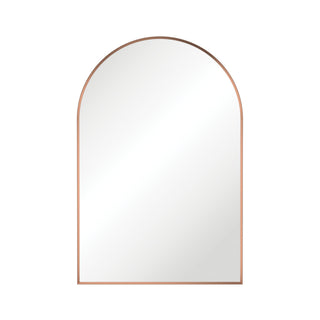
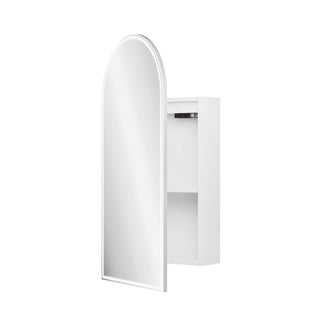
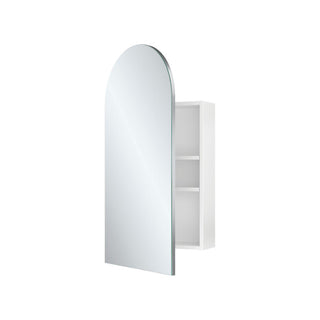
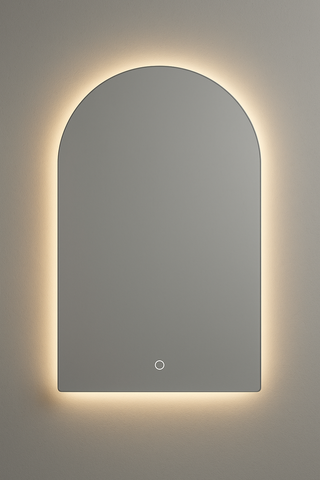
Arched mirrors bring an architectural element to bathroom design, echoing classic doorway and window shapes. They work beautifully in bathrooms with high ceilings or period features, adding elegance and visual interest.
The curved top of an arched mirror provides some of the softening effects of round mirrors while offering more practical reflection area. They're particularly stunning in powder rooms or guest bathrooms where making a design impact is prioritised over maximum functionality.
Consider an arched mirror design if your bathroom has architectural details that would complement the curved shape, or if you want to add character to a simple, modern space.
Geometric And Asymmetrical Shapes
Hexagonal, octagonal, and other geometric mirror shapes can create striking focal points in contemporary bathrooms. These shapes work best when the rest of your design is relatively simple, allowing the mirror to be the hero piece.
Asymmetrical or irregular shapes are definitely statement pieces that require confidence to pull off. They work well in powder rooms or as secondary mirrors in larger bathrooms, but might be overwhelming as the primary mirror above your main vanity.
How To Make Your Final Mirror Shape Decision
With so many options available, making the final choice requires balancing practical needs with design preferences. Here's a systematic approach to narrow down your options.
Start With Functionality
Consider who uses the bathroom and how. Family bathrooms need maximum practical reflection area, which often points toward rectangular mirrors. Guest powder rooms can prioritise aesthetics, making round or uniquely shaped mirrors more viable.
Think about your daily routines too. If multiple people use the mirror simultaneously, width becomes crucial. If storage above the vanity is limited, a round mirror might leave more wall space for cabinets or shelving.
Consider Long-Term Trends
While round mirrors are currently very popular, some design observers note they're becoming ubiquitous. If you're renovating a forever home, consider whether you'll still love the choice in five or ten years.
Classic shapes like rectangles and ovals tend to have more staying power, while very trendy shapes might date your bathroom sooner. However, if you love a particular trendy shape and can afford to update it later, don't let this stop you from choosing what makes you happy now.
-
Measure your vanity carefully and mark potential mirror positions on the wall
-
Consider the shapes already present in your bathroom and whether you want contrast or harmony
-
Think about frame options and how they'll coordinate with your existing hardware
-
Factor in your budget, as some shapes and frame styles cost more than others
-
Don't forget about installation requirements, as some mirror shapes are easier to hang than others
What The Research Says About Bathroom Mirror Design
Understanding the evidence behind mirror design choices can help you make more informed decisions for your bathroom renovation.
-
Design studies consistently show that curved mirror shapes do help soften angular bathroom features, creating more balanced and welcoming spaces
-
Industry feedback confirms that smaller decorative mirrors often lead to regrets due to reduced functionality for daily grooming tasks
-
Professional guidelines suggest mirror width should relate to vanity size, though exact proportions vary depending on lighting plans and personal preference
-
While round mirrors are trending in Australian bathrooms, experts have different views on whether this popularity will continue long-term
-
The evidence is still emerging on precisely how different mirror shapes affect light reflection and room brightness
What To Do Next For Your Bathroom Mirror Selection
Now that you understand the key considerations for bathroom mirror shapes, it's time to explore your options and make a choice that works for your space and lifestyle.
Start by browsing different mirror shapes and styles to get a feel for what appeals to you. Look at options from various mirror collections to see how different shapes work in real bathroom settings.
Consider visiting a showroom or bathroom specialist who can help you visualise how different shapes will work with your specific vanity and bathroom layout. Many people find it helpful to see mirrors in person rather than making decisions based solely on online photos.
[collection-carousel="mirrors"]
If you're working with a bathroom designer or builder, discuss mirror options early in the planning process. The mirror choice can influence other design decisions like lighting placement, vanity selection, and overall layout.
Making The Purchase Decision
When you're ready to purchase, double-check your measurements and consider installation requirements. Some mirror shapes require specific mounting hardware or professional installation, particularly larger pieces or those with heavy frames.
Remember that a quality mirror is an investment that will be with you for many years. It's worth spending a bit more on a shape and style you truly love rather than settling for something that's just okay.
Whether you choose a classic round mirror design or opt for something more unique, the right mirror shape will enhance your bathroom's functionality and aesthetic appeal for years to come.
Key Takeaways For Bathroom Mirror Shape Selection
Choosing the right bathroom mirror shape comes down to balancing practical needs with aesthetic preferences. Round mirrors offer versatility and softness but need to be sized generously to avoid looking lost. Rectangular mirrors maximise functionality and suit most bathroom styles, while oval mirrors provide a compromise between curves and practicality.
Consider your bathroom's existing lines and shapes when making your choice. Curved mirrors soften angular spaces, while geometric shapes can add structure to organic designs. Don't forget about proportion, ensuring your mirror relates well to your vanity size and overall bathroom scale.
Most importantly, choose a shape that makes you happy every time you use your bathroom. Whether that's a classic rectangle, trendy round mirror, elegant oval, or unique arched design, the right choice is the one that works for your space, lifestyle, and personal taste.