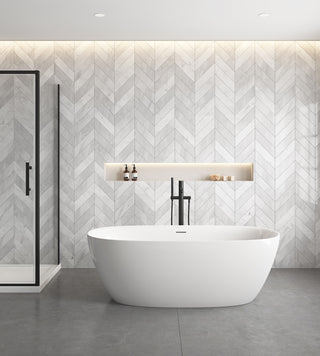


Getting your bathroom lighting design right can transform your daily routine from frustrating fumbles in the dark to smooth, well-lit experiences. Whether you're shaving, applying makeup, or simply wanting to create a relaxing atmosphere for a soak in the tub, the right lighting makes all the difference.
Bathroom lighting design involves three key layers that work together to create both functionality and atmosphere. Task lighting handles the detailed work like grooming, ambient lighting provides overall room illumination, and accent lighting adds visual interest and mood. When these three elements are balanced properly, you get a space that works brilliantly at any time of day.
The challenge many Australians face is cramming all their lighting needs into a relatively small space while dealing with moisture, safety regulations, and varied daily activities. This guide breaks down exactly how to layer your lighting effectively, choose the right fixtures, and avoid common mistakes that leave you squinting or stumbling around your bathroom.
What Makes Bathroom Lighting Different from Other Rooms
Bathroom lighting faces unique challenges that don't exist elsewhere in your home. The combination of water, steam, and varied activities demands a thoughtful approach to both safety and functionality.
Why Moisture and Safety Requirements Matter
Australian electrical regulations require specific IP ratings for bathroom light fixtures depending on their proximity to water sources. Industry standards define different protection zones, with stricter requirements in wet areas like Zone 0 (requiring IPX7) and Zone 1 (requiring IPX4 or higher). This zoning system can limit your fixture choices but shouldn't compromise your lighting quality.
Steam and humidity also affect how light performs in the space. Research shows that moisture exposure directly impacts fixture performance, with condensation building up around fittings and potentially affecting light distribution. Fixtures that work beautifully in dry conditions can create glare or uneven illumination when dealing with bathroom moisture levels.
How Multiple Activities Drive Lighting Needs
Your bathroom serves many purposes throughout the day, each requiring different lighting approaches. Studies suggest that task-oriented activities need bright, evenly distributed lighting for precision and visibility, while evening relaxation calls for softer, warmer light. This variation makes single-light solutions inadequate for most bathrooms.
The compact nature of bathrooms means your lighting zones often overlap, requiring careful planning to avoid conflicts between different light sources and their intended purposes.
What Is Task Lighting and Where Should It Go
Task lighting provides focused illumination for specific activities like shaving, applying makeup, or reading labels on bottles. This layer forms the foundation of your bathroom lighting design because it directly impacts how well you can perform daily grooming tasks.
Why Mirror Lighting Is Your Most Important Task Light
The most critical task lighting in any bathroom sits around your mirror area. Many people make the mistake of relying solely on overhead downlights, which create shadows under your chin, nose, and brow areas. This makes detailed grooming work much harder than it needs to be.
Effective mirror lighting comes from the sides or above the mirror, providing even illumination across your face. Side-mounted wall lights offer the most flattering and functional lighting for grooming tasks, while lights mounted above the mirror can work well if they're positioned correctly to minimise shadows.
How to Position Task Lighting for Best Results
For mirror lighting, aim to position lights at eye level or slightly above. While the evidence on exact height recommendations varies, the key principle is keeping light sources near eye level to reduce facial shadows for grooming activities.
Task lighting typically works well with bright, white light in the 4000K to 5000K colour temperature range, though lighting preferences can vary by specific task. This daylight-balanced light helps you see colours accurately, which is particularly important for makeup application and grooming tasks.
-
Mount mirror lights at eye level for even face illumination
-
Use daylight-balanced bulbs (4000K-5000K) for accurate colour rendering
-
Position side lights shoulder-width apart to minimise shadows
-
Ensure adequate brightness without creating glare off mirror surfaces
[collection-carousel="accessories"]
How Ambient Lighting Sets Your Bathroom's Overall Feel
Ambient lighting provides general illumination throughout your bathroom, creating the base level of brightness that makes the space comfortable and safe to navigate. This lighting layer fills in the gaps left by your task lighting and sets the overall mood of the room.
What Types of Fixtures Work Best for Ambient Light
Recessed downlights remain the most popular choice for bathroom ambient lighting in Australian homes. They provide even distribution of light while maintaining a clean, uncluttered ceiling appearance that works well in moisture-rich environments.
However, many homeowners find standard downlights too harsh for comfortable bathroom use, particularly during evening visits. The key is choosing the right beam angle and considering dimming capabilities from the start of your planning process.
Pendant lights and chandeliers can work in larger bathrooms with high ceilings, but they need appropriate IP ratings and careful positioning away from shower spray zones. According to professional guidance, these fixtures must be properly rated for their bathroom zone and kept clear of direct water spray to ensure safety and performance.
Why Dimming Capability Changes Everything
Installing dimmers on your ambient lighting transforms how your bathroom feels throughout the day. Research indicates that dimmable ambient lighting allows users to adjust brightness for different times and moods, from bright morning routines to softer evening relaxation. Bright task lighting might be perfect for morning routines, but nobody wants to be blasted with harsh light during midnight bathroom visits.
Dimmable ambient lights let you adjust the brightness to match your needs and the time of day. This flexibility proves particularly valuable in ensuite bathrooms where late-night use shouldn't disturb a sleeping partner.
|
Time of Day |
Recommended Ambient Light Level |
Purpose
|
|---|---|---|
|
Morning |
Bright (100%) |
Energy and alertness for daily routines |
|
Evening |
Medium (60-80%) |
Comfortable illumination for wind-down activities |
|
Night |
Low (20-40%) |
Safe navigation without disrupting sleep |
Where Accent Lighting Adds Style and Atmosphere
Accent lighting brings personality and visual interest to your bathroom while serving specific functional purposes. This lighting layer highlights architectural features, creates focal points, and can make your bathroom feel more spacious and luxurious.
How to Use Accent Lighting Without Overdoing It
The goal of accent lighting is enhancement, not dominance. Effective accent lighting draws attention to specific features like textured walls, artwork, or architectural details without overwhelming the space or competing with your task and ambient lighting.
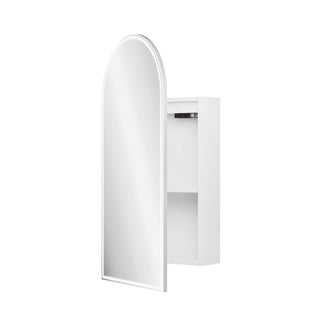
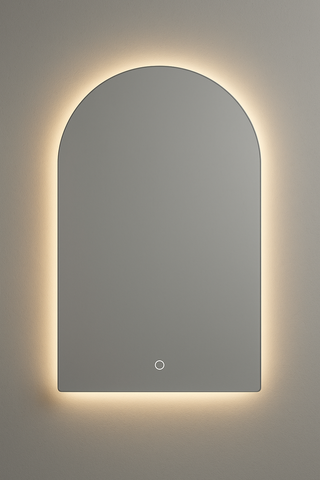
In-shower lighting has become increasingly popular, providing both functional illumination and a spa-like atmosphere. LED strip lights behind floating vanities create an elegant floating effect while providing subtle ambient light. Backlit mirrors combine task and accent lighting functions efficiently.
-
Use accent lighting to highlight one or two key features maximum
-
Choose warm colour temperatures (2700K-3000K) for relaxing atmosphere
-
Position lights to avoid glare and hot spots
-
Consider colour-changing LED options for ultimate flexibility
What Accent Lighting Options Work in Australian Bathrooms
Waterproof LED strip lights offer excellent versatility for bathroom accent lighting. Industry sources highlight that LED strip lighting is highly flexible and customisable, suitable for accent, ambient, and task applications. They can be installed behind mirrors, under vanity cabinets, in shower niches, or along ceiling coves to create various effects.
Wall washers and uplighting can make small bathrooms feel larger by bouncing light off walls and ceilings. These fixtures work particularly well in bathrooms with interesting textures or materials that benefit from dramatic lighting angles.
[collection-carousel="mirrors"]
Which Lighting Types to Avoid and Why
Some lighting choices that seem appealing in showrooms can create problems in real bathroom environments. Understanding what doesn't work helps you avoid costly mistakes and uncomfortable lighting situations.
Why Heat Lamps Often Disappoint
While heat lamps might seem like a practical addition to bathroom lighting, many users find them uncomfortable and inefficient. The intense heat they generate can make the bathroom uncomfortably warm, particularly during summer months or in already warm climates.
Heat lamps also tend to provide harsh, directional lighting that's not suitable for grooming tasks. The combination of heat and bright light can be particularly unpleasant during extended bathroom visits.
Modern exhaust fans with heating elements can provide more comfortable warmth, though the evidence on their efficiency compared to traditional heat lamps is mixed and depends on specific room conditions and usage patterns.
How Single Central Lights Create Problems
Relying on a single central ceiling light creates multiple issues in bathroom design. Lighting experts consistently warn that this arrangement produces unflattering shadows for grooming activities and provides inadequate illumination for detailed tasks.
Central lights also fail to provide the lighting flexibility that bathrooms need throughout the day. You're stuck with either bright light for all activities or dim light that makes tasks difficult.
-
Avoid single-point lighting that creates shadows
-
Don't rely solely on overhead fixtures for grooming areas
-
Skip decorative lights that provide minimal functional illumination
-
Avoid fixtures with complex cleaning requirements in moisture-rich areas
How to Plan Your Bathroom Lighting Layout Step by Step
Creating an effective bathroom lighting plan requires systematic thinking about your space, activities, and desired atmosphere. This process helps ensure you get both the functionality and style you want from your lighting investment.
What to Consider During Your Initial Planning
Start by mapping out how you use your bathroom throughout the day. Note which areas need bright task lighting, where you want general illumination, and what features you'd like to highlight with accent lighting.
Consider your bathroom's size, ceiling height, and natural light availability. These factors influence how many lights you need and where to position them for optimal coverage without over-illumination.
Factor in your electrical setup early in the planning process. Adding new circuits or switches is much easier during renovation than as an afterthought.
How to Balance Different Lighting Needs
Effective bathroom lighting design creates layers that can work independently or together. Your task lighting should function well on its own, your ambient lighting should provide comfortable general illumination, and your accent lighting should enhance the overall atmosphere.
Plan for separate switching of different lighting types. Professional guidance suggests that treating ambient, task, and accent as independent layers with separate controls allows for easier adjustment of mood and function. This gives you control over which lights operate at different times and allows you to create various lighting scenes for different activities and moods.
|
Lighting Layer |
Primary Function |
Switch Control |
Dimming Priority
|
|---|---|---|---|
|
Task |
Grooming and detailed work |
Separate switch |
Optional |
|
Ambient |
General room illumination |
Main switch |
Essential |
|
Accent |
Atmosphere and features |
Separate switch |
Recommended |
[collection-carousel="accessories"]
What Lighting Controls and Technology to Consider
Modern lighting controls can dramatically improve your bathroom's functionality and energy efficiency. Understanding your options helps you choose systems that enhance your daily experience without adding unnecessary complexity.
How Smart Controls Improve Bathroom Lighting
Smart lighting systems allow you to program different lighting scenes for various times of day and activities. Morning scenes might emphasise bright task lighting, while evening scenes focus on warm ambient lighting for relaxation.
Motion sensors work particularly well in bathrooms, automatically providing appropriate lighting levels when you enter the space. These sensors can be programmed to provide bright light during day hours and dim light for nighttime visits.
Timer controls help with energy efficiency by automatically turning off lights after predetermined periods. This feature proves especially useful for bathroom fans and accent lighting that might otherwise be left running unnecessarily.
Why Quality Dimming Makes a Difference
Not all dimming systems perform equally well. Research shows that LED-compatible, higher-quality dimmers can provide smoother dimming curves and reduce flickering and buzzing when properly matched with compatible bulbs, while cheap options can create annoying performance issues.
Consider dimmers that remember your preferred settings for different times of day. Some systems can automatically adjust brightness based on ambient light levels or time, reducing the need for manual adjustments.
How to Maintain and Troubleshoot Your Bathroom Lighting
Proper maintenance keeps your bathroom lighting performing well and extends the life of your fixtures and bulbs. Understanding common issues and their solutions helps you address problems quickly before they impact your daily routine.
What Regular Maintenance Tasks Keep Lights Working Well
Clean light fixtures regularly to prevent dust and grime buildup that reduces light output. Use appropriate cleaning products that won't damage fixture finishes or compromise IP ratings.
Check and replace bulbs promptly when they fail. LED bulbs last much longer than traditional options, but they can still fail due to moisture, heat, or electrical issues.
Inspect fixtures periodically for signs of moisture intrusion, loose connections, or damage that could affect safety or performance.
How to Identify and Address Common Lighting Problems
Flickering lights often indicate loose connections, incompatible dimmer switches, or failing bulbs. Address these issues promptly as they can indicate electrical problems that need professional attention.
Reduced light output over time typically results from dirty fixtures, aging bulbs, or accumulated moisture in fixture housings. Regular cleaning and timely bulb replacement usually resolve these issues.
-
Clean fixtures monthly to maintain optimal light output
-
Replace failed bulbs immediately to prevent strain on remaining bulbs
-
Check fixture seals annually to ensure moisture protection
-
Test dimmer switches periodically to ensure smooth operation
What the Research Says About Bathroom Lighting
Understanding what lighting experts and industry standards recommend helps you make informed decisions about your bathroom lighting design.
-
Layered lighting approaches consistently outperform single-source solutions for both functionality and user satisfaction
-
Proper IP rating compliance significantly reduces moisture-related fixture failures and safety issues
-
Dimmable ambient lighting improves user comfort and energy efficiency across different times of day
-
Side-mounted task lighting near mirrors provides more even facial illumination than overhead-only solutions
-
The evidence on optimal task lighting colour temperature varies, with effectiveness depending on specific activities and personal preferences
-
Heat lamp performance compared to modern heating alternatives shows mixed results depending on room conditions and usage patterns
How We Can Help with Your Bathroom Lighting Project
Getting your bathroom lighting right involves balancing technical requirements with design preferences while staying within budget constraints. Whether you're planning a complete bathroom renovation or updating existing lighting, having the right components makes the project smoother and more successful.
Quality fixtures designed for Australian bathroom conditions ensure your lighting performs well long-term while meeting safety requirements. From moisture-rated downlights to stylish vanity lighting, choosing appropriate fixtures from the start prevents problems and costly replacements later.
[collection-carousel="accessories"]
Professional installation ensures your lighting meets electrical codes and operates safely in moisture-rich environments. Working with qualified electricians familiar with bathroom lighting requirements gives you confidence in both performance and safety.
Key Takeaways for Successful Bathroom Lighting Design
Effective bathroom lighting design combines task, ambient, and accent lighting layers to create spaces that work well throughout the day while providing the atmosphere you want. The key is planning these layers to work both independently and together, giving you flexibility for different activities and moods.
Remember that bathroom lighting faces unique challenges from moisture, varied activities, and compact spaces. Choosing appropriate fixtures with proper IP ratings and planning for dimming capability from the start creates lighting systems that enhance rather than complicate your daily routine.
Most importantly, focus on getting your task lighting right first, particularly around mirror areas where you perform detailed grooming tasks. Once you have excellent task lighting in place, you can layer in ambient and accent lighting to create the perfect atmosphere for your bathroom space.