

Small bathrooms present unique challenges when it comes to creating a relaxing, functional space. Many Aussie homeowners find themselves torn between maximising floor space and enjoying the luxury of a proper bath. Corner baths for small bathrooms seem like the perfect compromise, tucking neatly into unused corners while promising the best of both worlds.
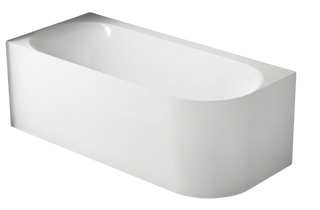
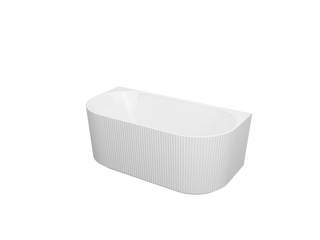
A corner bath is designed to fit snugly into the corner of your bathroom, with two sides meeting the walls at a right angle. Unlike traditional rectangular baths that run along one wall, these space-saving fixtures make use of often-overlooked corner areas. The question is whether they deliver on their promise of efficiency without compromising comfort or functionality.
Understanding the real-world pros and cons of corner baths will help you make an informed decision for your bathroom renovation. From water capacity concerns to long-term usage patterns, there are several factors that can make or break your satisfaction with this seemingly clever solution.
What Makes Corner Baths Appealing for Small Spaces
The primary attraction of corner baths lies in their space-efficient design. Traditional rectangular baths require a dedicated wall length of at least 1.5 metres, and standard rectangular bathtubs typically measure 60 inches (1.524 meters) in length, while corner units can transform dead corner space into a functional bathing area. This layout often frees up valuable floor space for other bathroom essentials like storage or a larger vanity.
How Corner Bath Placement Affects Bathroom Flow
Corner positioning can dramatically improve traffic flow in compact bathrooms. Research shows that corner tub placement utilises otherwise wasted space, freeing up valuable floor area for movement and maintaining clear traffic lanes. By utilising corner space, you avoid creating bottlenecks that occur when baths interrupt natural movement patterns. Many designs incorporate curved fronts that soften harsh angles and create a more organic feel in tight quarters.
The visual impact can also make small bathrooms feel more spacious. Corner baths often feature triangular or curved shapes that draw the eye in interesting directions, breaking up the boxy feel that plagues many small bathroom layouts.
[collection-carousel="baths"]
Why Many Corner Bath Owners Experience Buyer's Remorse
Despite their theoretical advantages, corner baths have developed a reputation for being underutilised and eventually removed. Real-world experience suggests that many homeowners find themselves regretting their corner bath installation within a few years, though the evidence on this trend is still emerging.
The Reality of Corner Bath Usage Patterns
The most common issue is simple underuse. Many people discover they rarely take baths, regardless of how convenient the bath appears. Daily life tends to favour quick showers over lengthy soaks, especially in busy households. When corner baths sit unused for weeks or months at a time, they become expensive storage areas rather than functional bathroom features.
Professional renovators frequently encounter requests to remove corner baths that seemed like good ideas during initial planning. The novelty of having a bath in a small space often wears off quickly when practical daily routines take precedence. However, we don't yet know for sure how widespread this pattern is across different household types.
-
Most families use baths less frequently than anticipated during planning
-
Corner baths can collect dust and bathroom products when not in regular use
-
Cleaning around corner installations requires more effort than standard fixtures
-
The space could often be better utilised for storage or larger shower areas
What Are the Practical Drawbacks of Corner Bath Design
Beyond usage patterns, corner baths present several design and functionality challenges that aren't immediately obvious during the selection process.
Water Capacity and Heating Challenges
Corner baths may require significant water volumes to achieve a satisfying soak depth, though the evidence on this varies. Some corner bathtubs hold 40-60 gallons while larger models can require 85-100 gallons. The triangular or asymmetrical shape often means you need more water than expected to reach comfortable levels. This creates two immediate problems for Australian households.
First, your hot water system needs substantial capacity to fill the bath adequately. Standard residential hot water systems may struggle to provide enough heated water for larger corner baths, leaving you with lukewarm water halfway through filling. Second, the increased water usage impacts both environmental sustainability and utility costs.
Comfort and Ergonomic Issues
The unique shape that makes corner baths space-efficient can work against comfort during actual use, though industry sources suggest modern designs often include ergonomic features. Many designs feature awkward angles that don't naturally accommodate the human body. Unlike rectangular baths designed around standard body dimensions, corner baths often force uncomfortable positioning.
|
Bath Type |
Water Efficiency |
Comfort Level |
Cleaning Ease |
Installation Cost |
|---|---|---|---|---|
|
Standard Rectangular |
Good |
Excellent |
Easy |
Low |
|
Corner Bath |
Poor |
Variable |
Moderate |
Moderate |
|
Freestanding |
Good |
Excellent |
Easy |
High |
When Do Corner Baths Actually Work Well
Despite the challenges, corner baths can succeed in specific situations with the right approach and realistic expectations.
Identifying Suitable Households and Usage Patterns
Corner baths work well for households that genuinely prioritise bathing, though industry sources suggest they're often chosen more for space-saving benefits than dedicated soaking. If your household includes people who genuinely enjoy long baths as part of their relaxation routine, the space-saving benefits become worthwhile. Children's families also sometimes benefit, as bath time remains essential for young kids regardless of bathroom size.
The key is honest assessment of your bathing habits before installation. If you already take baths several times per week in your current setup, a corner bath might maintain that pattern while saving space. If you rarely use your existing bath, a corner version won't magically change your preferences.
Supporting Infrastructure Requirements
Successful corner bath installations require adequate hot water capacity. Industry recommendations often suggest tankless heaters for larger bathtubs to ensure continuous hot water supply. This often means upgrading to larger traditional systems or considering tankless options that provide continuous heated water. The additional infrastructure investment should factor into your total project budget.
Proper ventilation becomes even more critical with corner baths due to increased water volumes and longer filling times. Enhanced exhaust fans help manage moisture levels and prevent mould issues in small bathroom spaces.
[collection-carousel="accessories"]
What Are the Better Alternatives for Small Bathrooms
Several alternatives often provide better long-term satisfaction than corner baths in small bathroom renovations.
Why Freestanding Baths Offer Superior Flexibility
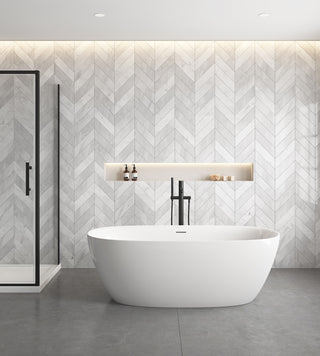
Freestanding baths provide luxury aesthetics without permanent installation commitments. These units can be repositioned during future renovations and may offer design flexibility compared to built-in corner options. The visual impact of a well-chosen freestanding bath can make small bathrooms feel more spacious and hotel-like.
Installation tends to be simpler with freestanding options, reducing both labour costs and renovation complexity. If you later decide to remove the bath, freestanding units leave minimal permanent modifications to your bathroom layout.
Maximising Shower Functionality Instead
Many small bathroom renovations achieve better results by eliminating baths entirely in favour of larger, more luxurious shower areas. A spacious walk-in shower with premium fixtures often provides more daily value than an infrequently used corner bath, with multiple sources highlighting their practicality for quick showers and easier maintenance.
Double showerheads, built-in seating, and generous dimensions can transform your daily routine while maintaining the compact footprint. This approach acknowledges that most Australian households prioritise efficient morning routines over leisurely soaking.
-
Walk-in showers eliminate the need for shower screens or curtains
-
Larger shower areas accommodate families with varying height requirements
-
Premium shower fixtures often cost less than quality bath installations
-
Shower-only bathrooms are easier to keep clean and maintain
What the Research Says About Bathroom Planning
Industry research and renovation data reveal some interesting patterns about bathroom fixtures and usage:
-
Standard rectangular bathtubs require precise wall lengths of at least 1.5 metres, making corner placement an attractive space-saving alternative
-
Walk-in showers consistently show higher satisfaction rates due to daily practicality and easier maintenance
-
Hot water system capacity is crucial for larger bathtubs, with many installations requiring upgraded heating systems
-
Experts have different views on optimal water capacity - some corner baths match standard tub volumes while others require significantly more
-
The evidence is still emerging on long-term satisfaction rates with corner bath installations versus other bathroom configurations
How to Make the Right Decision for Your Renovation
Choosing between corner baths and alternatives requires honest evaluation of your specific circumstances and priorities.
Evaluating Your Household's Actual Bathing Habits
Track your current bath usage for several weeks before making decisions. Count how often each household member uses existing bathing facilities and for what purposes. This data provides realistic baseline expectations rather than optimistic assumptions about future behaviour.
Consider seasonal variations as well. Summer months might show different patterns than winter, when long baths become more appealing. Annual averages give more reliable guidance than short-term observations.
Calculating Total Cost of Ownership
Corner bath installations involve more than initial purchase and installation costs. Factor in increased hot water system requirements, higher water bills, additional cleaning time, and potential future removal costs if preferences change.
Compare these total costs against alternatives like premium shower installations or freestanding baths that might provide better long-term value. Sometimes the seemingly economical option becomes expensive when all factors are considered.
[collection-carousel="showers-1"]
What to Do Next for Your Bathroom Project
Making informed decisions about corner baths requires balancing space constraints with realistic usage expectations. Start by honestly assessing your household's bathing patterns and infrastructure requirements before committing to any particular solution.
If you decide corner baths aren't right for your situation, explore quality bath alternatives that might better suit your space and lifestyle. Freestanding options often provide superior aesthetics and flexibility for small bathroom renovations.
For comprehensive bathroom planning that considers all your space-saving needs, professional guidance can help optimise your layout decisions. Expert renovation services can evaluate your specific situation and recommend solutions that balance functionality with long-term satisfaction.
[collection-carousel="baths"]
Final Considerations for Small Bathroom Success
Remember that successful small bathroom renovations prioritise daily functionality over theoretical space-saving features. Whether you choose a corner bath, freestanding option, or expanded shower area, ensure your decision aligns with how you actually live rather than how you imagine you might live.
Quality fixtures and thoughtful planning matter more than cramming maximum features into minimum space. Focus on creating a bathroom that serves your household's real needs efficiently and attractively for years to come.