














Planning a bathroom renovation brings one major decision to the forefront - whether to tackle it yourself or hire professionals. This choice between DIY vs professional renovation can dramatically impact your budget, timeline, and final results. While self-managing might save thousands of dollars, it comes with hidden complexities that could turn your dream bathroom into a costly nightmare.
The reality is that bathroom renovations involve intricate plumbing, electrical work, waterproofing, and building compliance requirements that vary significantly across Australia. NSW Government regulations and similar rules in other states mandate licensed professionals for specific tasks, while standards like AS 3740 for waterproofing create complex compliance requirements that differ between jurisdictions. Understanding these challenges upfront helps you make the right call for your situation, skill level, and budget.
This guide breaks down the real costs, benefits, and pitfalls of each approach so you can confidently choose the renovation path that delivers the bathroom you want without the regrets.
What Makes Bathroom Renovations More Complex Than Other Projects
Bathroom renovations aren't just about swapping tiles and fixtures. They involve multiple specialised trades working in sequence, each dependent on the quality of work completed before them. The confined space, moisture management, and strict building codes create a perfect storm of potential complications.
Why Waterproofing Is Your Make-or-Break Factor
Waterproofing represents the single most critical aspect of bathroom renovation work. Industry experts consistently identify waterproofing as the foundation of successful bathroom remodels, and for good reason. Getting this wrong can lead to structural damage, mould growth, and insurance nightmares that cost tens of thousands to rectify.
Professional waterproofing requires specific membranes, proper floor gradients, and compliance with Australian Standards. The National Construction Code mandates strict adherence to AS 3740:2021, including precise floor gradients of 1:80 to 1:50 fall to drains and certified membrane application by licensed technicians in most states.
Many DIY renovators underestimate the complexity of creating proper waterproof seals around fixtures, corners, and penetrations. Even small gaps or inadequate curing times can compromise the entire system, often with problems only becoming apparent months or years later.
Understanding Building Regulations and Trade Requirements
Australian building regulations require licensed professionals for specific bathroom renovation tasks. State regulations across Australia consistently mandate licensed plumbers for alterations, qualified electricians for new circuits, and certified waterproofers for membrane installation. Attempting these tasks without proper licensing can void insurance coverage and create legal liability.
Learning basic trade terminology and building standards empowers you to communicate effectively with contractors and hold them accountable for quality work. This knowledge proves invaluable whether you're self-managing or working with a renovation company.
[collection-carousel="accessories"]
How Much Can You Really Save with DIY Bathroom Renovation
Self-managing bathroom renovations can deliver substantial savings, but the actual amount depends heavily on your existing skills, available time, and willingness to handle complications. Real-world examples show savings ranging from modest to significant, with important caveats about quality and stress levels.
Breaking Down Typical Cost Differences
Professional bathroom renovations in Australia typically range from $35,000 to $60,000 for a standard bathroom, while self-managed projects can come in around $25,000 to $35,000. However, these savings often come with trade-offs in finishing quality, project duration, and potential rework costs.
|
Renovation Type |
Typical Cost Range |
Timeline |
Quality Risk |
|---|---|---|---|
|
Full Professional |
$35,000 - $60,000 |
3-6 weeks |
Low |
|
Self-Managed |
$25,000 - $35,000 |
6-12 weeks |
Medium-High |
|
Partial DIY |
$30,000 - $45,000 |
4-8 weeks |
Medium |
When Cost Savings Turn Into Cost Blowouts
The biggest risk with DIY renovation lies in needing to redo substandard work. Poor contractor selection or attempting tasks beyond your skill level can result in expensive corrections that eliminate any initial savings. Research from remodelling professionals shows that the cost of correcting amateur work frequently exceeds the initial savings from DIY attempts, with material waste, tool purchases, and rework often tripling original budgets.
Factor in the opportunity cost of your time, potential relationship stress, and the likelihood of timeline extensions when calculating true DIY savings. Many renovators find that modest savings don't justify months of weekend work and ongoing project management stress.
[collection-carousel="tapware"]
Which Renovation Tasks Should You Never DIY
Certain bathroom renovation tasks require professional expertise not just for quality, but for legal compliance and safety. Understanding these boundaries helps you plan a realistic DIY approach that doesn't compromise your home's integrity or your family's safety.
Licensed Work That Requires Qualified Professionals
-
Plumbing alterations - Moving pipes, installing new fixtures, or modifying drainage systems
-
Electrical work - Installing new circuits, exhaust fans, or heated towel rails
-
Waterproofing certification - Creating compliant waterproof membranes for wet areas
-
Structural modifications - Removing walls or altering load-bearing elements
-
Gas fitting - Installing or relocating gas hot water systems
High-Risk Tasks That Demand Experience
Beyond legally required professional work, several renovation tasks carry high risk of expensive mistakes. Tile laying over large areas, complex plastering repairs, and precise fixture installation often benefit from professional expertise. The cost of correcting amateur work frequently exceeds the initial savings from DIY attempts.
Floor preparation, wall framing, and moisture barrier installation require specific techniques and materials. Getting these foundation elements wrong affects everything that follows, potentially compromising your entire renovation investment.
[collection-carousel="showers-1"]
How to Successfully Self-Manage Professional Contractors
Self-managing renovation contractors offers a middle ground between full DIY and complete professional management. This approach lets you control costs and timelines while ensuring critical work meets professional standards. Success requires preparation, clear communication, and realistic expectations about your role.
Building Your Knowledge Base Before Starting
Successful contractor management starts with understanding renovation processes, materials, and quality standards. Research typical work sequences, learn to identify quality issues, and familiarise yourself with building regulations relevant to bathroom work. This knowledge prevents contractors from taking advantage and helps you make informed decisions during the project.
Spend time understanding trade terminology, standard installation practices, and common shortcuts that compromise quality. Online resources, trade publications, and conversations with experienced renovators provide valuable insights into what constitutes acceptable workmanship.
Creating Effective Contractor Selection and Management Systems
Develop clear selection criteria focusing on licensing, insurance, recent references, and demonstrated expertise in bathroom work. Always obtain multiple detailed quotes that break down materials, labour, and timelines. Avoid contractors who provide vague estimates or pressure you into immediate decisions.
-
Request detailed written quotes with material specifications
-
Check licensing and insurance coverage before work begins
-
Establish clear communication protocols and progress milestones
-
Document all work with photos before, during, and after completion
-
Hold back final payments until you're satisfied with completed work
[collection-carousel="baths"]
What to Expect from Professional Renovation Companies
Professional renovation companies handle project management, contractor coordination, and quality control, but this convenience comes at a premium. Understanding what you're paying for helps determine whether professional management suits your situation and budget.
How Professional Project Management Actually Works
Reputable renovation companies provide comprehensive project management including design consultation, permit handling, trade coordination, and quality oversight. Professional remodellers maintain relationships with trusted contractors, handle scheduling conflicts, and take responsibility for work quality and compliance through structured phases from initial design to final inspection.
Professional renovators typically provide fixed-price contracts, detailed project timelines, and warranties on completed work. This approach minimises your involvement in day-to-day management while providing recourse if problems arise.
When Professional Management Makes Financial Sense
Professional renovation management becomes cost-effective when your time has high opportunity cost, when you lack renovation experience, or when project complexity exceeds your comfort level. Industry analysis shows that the premium for professional management often pays for itself through avoided mistakes, faster completion, and reduced stress, particularly for complex projects requiring specialized labour.
Consider professional management for projects involving structural changes, complex plumbing relocations, or when coordinating multiple bathroom renovations. The coordination complexity and potential for costly mistakes often justifies professional oversight in these situations.
[collection-carousel="toilets"]
Smart Strategies for Phased Renovation Approaches
Phased renovation strategies help manage costs, minimise disruption, and allow you to learn from early phases before tackling more complex work. Remodelling experts consistently recommend this approach for spreading expenses over time while enabling homeowners to refine their approach based on lived experience. This approach works particularly well for homes with multiple bathrooms or when budget constraints prevent complete renovation in one phase.
Why Separate Bathroom Renovations Reduce Risk and Stress
Renovating multiple bathrooms separately maintains household functionality throughout the project and allows you to refine your approach based on early experiences. Renovation professionals confirm that completing one bathroom before starting another ensures you always have a functioning bathroom available for family use while reducing overall project stress.
This phased approach also spreads costs over time and provides opportunities to adjust budgets, contractor selection, or design decisions based on lessons learned. Each completed bathroom provides valuable experience that improves subsequent renovation outcomes.
Prioritising Renovation Elements for Maximum Impact
Focus initial renovation efforts on elements that provide the biggest visual and functional improvements. Renovation experts recommend starting with cosmetic updates like fixtures, lighting, and fresh finishes that deliver significant impact without requiring complex structural work, while leaving plumbing reconfiguration and waterproofing for professional phases.
|
Renovation Phase |
Typical Elements |
Impact Level |
Complexity |
|---|---|---|---|
|
Phase 1 - Cosmetic |
Paint, mirrors, accessories |
Medium |
Low |
|
Phase 2 - Fixtures |
Tapware, lighting, storage |
High |
Medium |
|
Phase 3 - Major |
Tiles, plumbing, layout |
Very High |
High |
[collection-carousel="basins"]
How to Make the Right Decision for Your Situation
The choice between DIY and professional bathroom renovation depends on multiple factors specific to your circumstances, skills, and priorities. Use this framework to evaluate your situation objectively and make the choice that aligns with your capabilities and goals.
Assessing Your Renovation Readiness
Honestly evaluate your available time, existing skills, and tolerance for project complications. Successful DIY renovation requires significant time commitment, problem-solving ability, and willingness to learn new skills under pressure. Consider whether you can dedicate weekends and evenings to renovation work for several months.
Factor in your living situation during renovation. Homes with single bathrooms require faster completion or temporary alternatives, making professional management more attractive. Multiple bathroom homes provide more flexibility for extended DIY timelines.
Understanding When Each Approach Makes Sense
Choose DIY when you have significant renovation experience, flexible timelines, multiple bathrooms, and genuine interest in learning new skills. DIY works best for straightforward renovations without major plumbing or structural changes.
Choose professional management when you have limited time, high opportunity costs, complex renovation requirements, or low tolerance for project stress. Professional management suits busy professionals, first-time renovators, and complex projects involving structural changes.
Consider hybrid approaches when you want cost savings with professional quality assurance. Self-managing contractors while hiring professionals for critical tasks like waterproofing and plumbing provides middle-ground solutions.
[collection-carousel="mirrors"]
What the Research Says About Bathroom Renovation Planning
Evidence from renovation professionals and industry studies provides clear guidance for successful bathroom projects:
-
Budget planning is crucial - Multiple sources confirm that detailed budgets including materials, labour, permits, and 15-20% contingency funds significantly improve project outcomes and reduce financial stress
-
Professional involvement for complex tasks pays off - Licensed work like plumbing, electrical, and waterproofing consistently delivers better long-term results than amateur attempts
-
Phased approaches reduce risk - Breaking renovations into stages helps manage costs, maintain functionality, and improve decision-making through experience
-
Timeline expectations vary significantly - Professional projects typically take 3-6 weeks, though evidence suggests DIY timelines are considerably longer and more unpredictable
-
Cost corrections often exceed savings - The expense of fixing amateur mistakes frequently eliminates initial DIY cost advantages, particularly for complex tasks
What to Do Next for Your Bathroom Renovation
Now that you understand the key differences between DIY and professional bathroom renovation approaches, it's time to take concrete steps toward your project. Start by honestly assessing your situation using the frameworks outlined above, then move toward securing the right resources for your chosen approach.
Begin with a detailed budget that accounts for materials, labour, permits, and a realistic contingency fund of 15-20% for unexpected complications. Industry guidance consistently recommends this contingency level to cover surprises like water damage, mould, or plumbing issues that commonly arise during bathroom renovations. Research local contractors, gather multiple quotes, and verify licensing and insurance requirements in your area.
For professional renovation support that combines quality workmanship with transparent pricing, consider exploring comprehensive bathroom renovation services that handle everything from design to completion. Professional renovators can provide detailed quotes, timeline estimates, and quality guarantees that take the guesswork out of your project.
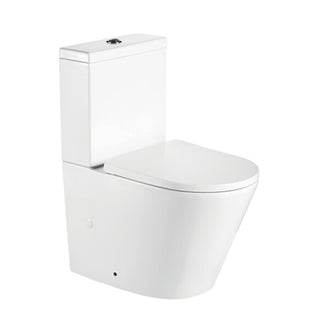
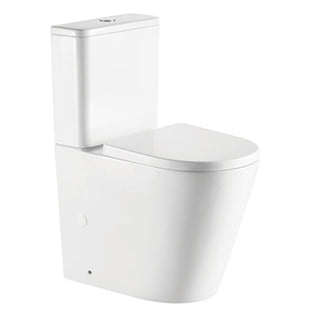
Whether you choose DIY, professional, or hybrid approaches, quality fixtures and fittings form the foundation of any successful bathroom renovation. Browse professional-grade bathroom products and toilet options to understand current styling trends and quality standards that will inform your renovation decisions.
[collection-carousel="kitchen-laundry"]
Taking the First Steps Forward
Regardless of your chosen approach, successful bathroom renovations start with thorough planning and realistic expectations. Document your current bathroom with detailed photos, create wish lists of desired features, and establish firm budgets before engaging contractors or purchasing materials.
Remember that bathroom renovations are significant investments in your home's value and your family's daily comfort. Taking time to make informed decisions about DIY versus professional approaches will pay dividends in the final result and your satisfaction with the renovation process.
Key Takeaways for Bathroom Renovation Success
The decision between DIY and professional bathroom renovation isn't simply about cost savings. It involves balancing your skills, available time, risk tolerance, and quality expectations against the complexity and importance of the project.
Self-managed renovations can save money but require significant knowledge, time, and problem-solving skills. Professional management costs more but provides expertise, efficiency, and accountability that often justify the premium. Hybrid approaches offer middle-ground solutions that balance cost control with professional quality assurance.
Whatever path you choose, invest time in understanding the renovation process, selecting quality materials and contractors, and maintaining realistic expectations about timelines and budgets. Successful bathroom renovations result from careful planning, informed decisions, and appropriate professional involvement where expertise matters most.