

Choosing the right mirror lighting bathroom setup can transform your daily routine and create a more functional, comfortable space. Whether you're getting ready for work or winding down in the evening, proper lighting makes all the difference in how you look and feel in your bathroom.
The debate between LED and traditional lighting for bathroom mirrors has intensified as more homeowners upgrade their spaces. LED mirrors offer modern features like adjustable brightness and colour temperature, while traditional lighting provides familiar reliability and easier maintenance. Understanding the practical benefits and potential drawrawbacks of each option helps you make the right choice for your home.
This guide breaks down the real-world performance of both lighting types, covering everything from energy efficiency and installation requirements to the features that actually matter in daily use. You'll discover which option delivers the best value for different bathroom sizes, budgets, and lifestyle needs.
What Are LED Bathroom Mirrors and How Do They Work
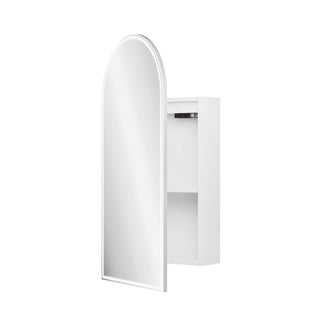
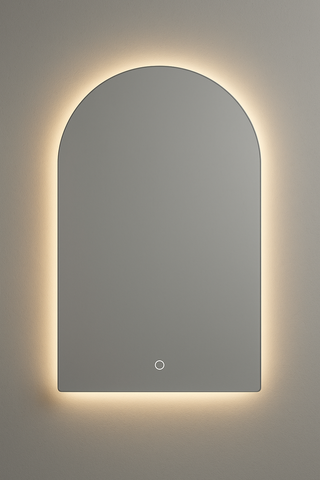
LED bathroom mirrors integrate light-emitting diodes directly into the mirror frame or behind the glass surface. Research shows these systems provide more even illumination than traditional fixtures by positioning LEDs either around the perimeter or embedded between the glass layers. These mirrors typically connect to your home's electrical system and offer various lighting modes, from warm ambient glows to bright task lighting.
How LED Mirror Technology Functions
The LED strips or panels are positioned to eliminate shadows and provide even illumination across your face. Many models include built-in transformers that convert standard household voltage to the low voltage required by LED components. Industry standards show these built-in transformers typically convert 240V AC to 12V or 24V DC, ensuring safe and efficient operation. This design creates consistent, flicker-free lighting that mimics natural daylight.
Modern LED mirrors often feature touch sensors for easy operation, though some users report reliability issues with sensor-based controls over time. The most dependable models use traditional wall switches that bypass potential sensor failures while maintaining the convenience of integrated lighting.
Key Features That Matter Most
-
Anti-fog technology - Prevents mirror surface clouding after hot showers
-
Dimmable controls - Adjusts brightness for different times of day
-
Colour temperature adjustment - Switches between warm and cool light tones
-
Built-in power outlets - Convenient charging for electric toothbrushes and shavers
-
Memory settings - Remembers your preferred brightness and temperature
The anti-fog feature stands out as particularly valuable, with users consistently praising its effectiveness in keeping mirrors clear even after steamy showers. Anti-fog technology works by warming the mirror surface above the dew point, preventing condensation from forming. This practical benefit alone often justifies the upgrade for many homeowners.
[collection-carousel="mirrors"]
What Are Traditional Bathroom Mirror Lighting Options
Traditional bathroom lighting typically involves separate light fixtures positioned around or above a standard mirror. Professional lighting guides confirm these systems use incandescent, halogen, or compact fluorescent bulbs in dedicated fixtures such as vanity strips, sconces, or overhead downlights.
Common Traditional Lighting Configurations
|
Lighting Type |
Placement |
Best For |
Typical Cost
|
|---|---|---|---|
|
Vanity strip lights |
Above mirror |
Small to medium bathrooms |
$50-200 |
|
Side sconces |
Either side of mirror |
Larger mirrors, even lighting |
$100-400 |
|
Recessed downlights |
Ceiling above vanity |
Modern, minimalist designs |
$80-300 |
|
Pendant lights |
Hanging beside mirror |
Statement pieces, unique styles |
$150-500 |
Why Some Prefer Traditional Setups
Traditional lighting offers several advantages that appeal to many homeowners. Replacement bulbs are widely available and inexpensive, making long-term maintenance straightforward. Installation guides show that traditional fixtures allow easy bulb replacement without special tools - you simply unscrew old bulbs and screw in new ones. You can easily upgrade or change the style without replacing the entire mirror, providing flexibility as your tastes evolve.
The separation between mirror and lighting also means fewer potential failure points. If a bulb burns out, you simply replace it rather than dealing with integrated electronics that might require professional repair or complete unit replacement.
How Do LED and Traditional Options Compare in Daily Use
Real-world performance differs significantly between LED and traditional lighting systems. User experiences reveal clear patterns about which features provide genuine value versus those that sound appealing but prove less useful in practice.
What Users Love About LED Mirrors
The ability to adjust both brightness and colour temperature ranks among the most appreciated features. Morning routines benefit from cooler, energising light, while evening activities feel more comfortable with warmer tones. The dimming capability proves especially valuable for late-night visits without fully waking your partner.
LED lighting quality genuinely enhances appearance, providing flattering illumination that makes users feel more confident. The even distribution eliminates harsh shadows that can make traditional overhead lighting less appealing for grooming tasks.
Common Frustrations With LED Features
Bluetooth connectivity, despite being marketed as a premium feature, often disappoints users. The sound quality typically falls short of expectations, and connection reliability can be problematic. Many find themselves rarely using this feature after the initial novelty wears off.
Some LED mirrors produce a noticeable humming sound when powered off, which can be particularly annoying in quiet homes. This issue varies by manufacturer and model, making it worth testing before final installation if possible.
Traditional Lighting Advantages
-
Simple maintenance - Easy bulb replacements without special tools
-
Design flexibility - Change fixtures without replacing mirrors
-
Lower upfront cost - Significant savings on initial purchase
-
Proven reliability - Fewer electronic components to fail
-
Wide compatibility - Works with any mirror style or size
Traditional setups also avoid the learning curve associated with new technology. Family members of all ages can operate standard light switches without confusion or instruction.
[collection-carousel="accessories"]
Which Energy Efficiency and Cost Factors Matter Most
Long-term operating costs and environmental impact play crucial roles in the LED versus traditional lighting decision. Understanding the real numbers helps you evaluate whether the higher upfront investment in LED technology pays off over time.
Energy Consumption Breakdown
|
Lighting Type |
Typical Wattage |
Annual Energy Cost* |
Lifespan |
Replacement Frequency |
|---|---|---|---|---|
|
LED integrated |
15-25W |
$8-15 |
25,000+ hours |
10-15 years |
|
LED bulbs (traditional fixtures) |
8-12W each |
$10-20 |
15,000-25,000 hours |
8-12 years |
|
Halogen bulbs |
20-50W each |
$25-60 |
2,000-4,000 hours |
1-2 years |
|
Incandescent bulbs |
40-75W each |
$40-90 |
1,000-2,000 hours |
6-12 months |
*Based on 3 hours daily use at average Australian electricity rates
Industry studies show LED integrated mirrors typically last 25,000 to 50,000 hours, which translates to 10-20 years with typical daily use. However, the evidence on halogen wattage ranges is mixed - while some bulbs start at 20W, many bathroom fixtures use higher wattage options that can significantly increase energy costs.
What Installation Costs Look Like
LED mirrors typically require professional electrical work, especially if your bathroom lacks existing electrical connections near the mirror location. Installation guides suggest factoring in $200-500 for electrical installation on top of the mirror cost. Traditional lighting systems often work with existing electrical setups, though the evidence on whether this consistently reduces installation complexity is mixed - some configurations can actually require more wiring points than integrated solutions.
However, the gap narrows when you consider that quality traditional fixtures plus professional installation can easily match LED mirror costs. The key difference lies in ongoing maintenance and energy expenses over the product lifetime.
What Installation and Maintenance Requirements Should You Expect
Installation complexity varies significantly between LED mirrors and traditional lighting systems. Understanding these requirements helps you budget appropriately and avoid unexpected complications during your bathroom renovation.
LED Mirror Installation Considerations
Most LED mirrors require dedicated electrical circuits due to their integrated features like anti-fog heating elements and multiple lighting functions. Your electrician may need to install new wiring, particularly for models with advanced features like Bluetooth or multiple power outlets.
Wall mounting requires careful attention to weight distribution and moisture protection. LED mirrors are typically heavier than standard mirrors due to their electronic components, necessitating appropriate wall anchors and potentially additional structural support.
Traditional Lighting Installation Process
-
Fixture mounting - Attach light fixtures to wall or ceiling boxes
-
Wiring connections - Connect to existing electrical circuits
-
Switch installation - Install or relocate wall switches as needed
-
Mirror hanging - Mount mirror independently of lighting
-
Bulb installation - Insert appropriate bulbs and test operation
Long-term Maintenance Differences
LED mirrors generally require minimal maintenance once properly installed. The LED components typically outlast the mirror itself, though electronic features may need occasional troubleshooting. When problems occur, repairs often require manufacturer support or replacement of entire units.
Traditional lighting maintenance involves regular bulb replacement but allows for easy component upgrades. You can switch bulb types, upgrade to dimmable versions, or change fixture styles without major electrical work.
How to Choose the Right Option for Your Bathroom
Your decision should align with your specific bathroom layout, usage patterns, and long-term renovation plans. Consider both immediate needs and how your preferences might evolve over time.
When LED Mirrors Make the Most Sense
LED mirrors excel in master bathrooms where you perform detailed grooming tasks daily. Lighting research shows LED mirrors provide superior illumination for detailed grooming with high colour rendering and precise task lighting. The adjustable lighting and anti-fog features provide genuine convenience benefits that justify the higher initial investment. They work particularly well in modern bathroom designs where clean lines and minimal fixtures are priorities.
Choose LED mirrors if you value convenience features and don't mind the learning curve associated with new technology. The energy savings become more meaningful in households where bathroom lighting runs for extended periods.
When Traditional Lighting Works Better
Traditional lighting offers advantages in guest bathrooms, powder rooms, or homes where multiple family members have varying comfort levels with technology. The straightforward operation and familiar maintenance requirements appeal to many homeowners.
Budget-conscious renovations often benefit from traditional approaches, especially when existing electrical infrastructure supports new fixtures without extensive rewiring. This option also provides more flexibility for future style changes.
Questions to Ask Yourself
-
How often do you use the bathroom mirror for detailed tasks like applying makeup or shaving?
-
Does your bathroom frequently fog up after showers?
-
Are you comfortable with technology features, or do you prefer simple switches?
-
What's your budget for both initial purchase and long-term maintenance?
-
Do you plan other bathroom renovations that could affect lighting placement?
-
How important is energy efficiency in your household?
[collection-carousel="mirrors"]
What to Do Next for Your Mirror Lighting Project
Start by evaluating your current bathroom electrical setup and identifying any required upgrades. Measure your mirror space carefully and consider how new lighting will integrate with existing fixtures and decor.
For LED mirror options, research specific models and read user reviews focusing on long-term reliability rather than just initial features. Look for mirrors with traditional switch controls rather than sensor-only operation to ensure consistent functionality.
If considering traditional lighting, explore fixture styles that complement your mirror choice while providing adequate illumination for your needs. Consider energy-efficient LED bulb compatibility when selecting fixtures.
Professional Installation Recommendations
Consult with a qualified electrician about your electrical capacity and any required upgrades before making final product selections. This prevents costly surprises and ensures your chosen solution integrates properly with your home's electrical system.
For complex installations involving multiple features or electrical modifications, obtain quotes from several professionals to understand typical costs in your area.
Explore our comprehensive range of bathroom mirrors and lighting solutions designed for Australian homes. From modern LED options with advanced features to classic styling that complements traditional decor, you'll find quality products that enhance both function and style in your bathroom renovation.
[collection-carousel="mirrors"]
What the research says about bathroom mirror lighting
-
LED integrated mirrors consistently outlast traditional bulbs, with lifespans of 25,000-50,000 hours compared to 1,000-4,000 hours for halogen and incandescent options
-
Anti-fog technology effectively prevents mirror condensation by warming the surface above the dew point, keeping the viewing area clear after hot showers
-
LED mirrors provide superior task lighting for grooming activities due to even light distribution and high colour rendering capabilities
-
Evidence is mixed on installation complexity - while LED mirrors may require new electrical work, traditional systems can sometimes involve multiple wiring points that increase costs
-
Energy efficiency strongly favours LED technology, with integrated LED mirrors using 60-80% less power than equivalent halogen lighting setups
-
We don't yet know for sure how Bluetooth and advanced electronic features in LED mirrors will perform over the long term, as this technology is still relatively new to the bathroom environment
Key Takeaways for Your Mirror Lighting Decision
LED mirrors provide superior convenience and energy efficiency but require higher upfront investment and more complex installation. The anti-fog feature and adjustable lighting genuinely improve daily use, while features like Bluetooth often prove less valuable than expected.
Traditional lighting offers proven reliability, lower initial costs, and easier long-term maintenance. This approach provides excellent flexibility for future changes and works well across different bathroom sizes and family situations.
Your choice ultimately depends on your specific needs, budget, and comfort with technology. Both options can create beautiful, functional bathroom lighting when properly selected and installed. Focus on the features that align with your daily routine rather than impressive specifications that may not translate to practical benefits.