



Your toilet is one of the hardest-working fixtures in your home, yet many Aussie homeowners overlook basic toilet maintenance until something goes wrong. The good news is that keeping your loo in top condition doesn't require a plumbing degree or expensive tools. With a few simple toilet maintenance tips and regular check-ups, you can prevent costly repairs and ensure your toilet runs smoothly for years to come.
Most toilet problems develop gradually, giving you plenty of warning signs if you know what to look for. Research shows that early indicators include running toilets, weak flushing, water pooling around the base, and unusual noises that develop over time before problems become severe. By establishing a simple maintenance routine, you'll catch small issues before they become major headaches that require emergency plumber visits. Whether you're dealing with a brand-new installation or a toilet that's been faithfully serving your family for decades, the right approach to maintenance can extend its lifespan significantly.
The key to successful toilet maintenance lies in understanding what needs attention and what's best left alone. Many well-meaning homeowners actually create problems by over-maintaining their toilets, particularly when it comes to seals and connections that are working perfectly fine.
What Does Regular Toilet Maintenance Actually Involve
Effective toilet maintenance focuses on observation and gentle care rather than aggressive intervention. Industry guidance emphasises regular inspections for leaks, worn parts, and unusual sounds, alongside gentle cleaning methods that avoid damaging components. The most important aspect involves regular visual inspections to spot potential issues early, combined with basic cleaning that keeps everything hygienic and functioning properly.
Which Areas Need Your Attention
Your maintenance routine should cover several key areas, each requiring different levels of attention. Understanding these zones helps you prioritise your efforts and avoid unnecessary work.
-
Bowl and rim cleaning for hygiene and proper flushing action
-
Tank components including the flush mechanism and water level
-
Base and floor connection for signs of water damage or movement
-
Water supply connections including hoses and shut-off valves
-
External surfaces and hardware for wear and damage
The golden rule of toilet maintenance is to check regularly but intervene minimally. This approach prevents you from disrupting seals and connections that are working perfectly well, while still catching genuine problems early.
[collection-carousel="toilets"]
How Often Should You Check Your Toilet
Creating a maintenance schedule helps ensure nothing gets overlooked while preventing unnecessary work. Different components require attention at different intervals, and understanding these timing helps you stay on top of things without overdoing it.
What to Check Monthly
Monthly inspections should focus on the most visible and accessible components. Maintenance professionals recommend monthly checks that primarily involve visual inspections for leaks, proper operation, and cleaning external surfaces without requiring disassembly. These quick checks take just a few minutes but can prevent major problems.
-
Look for water pooling around the base or signs of leakage
-
Check that the toilet sits firmly without rocking or movement
-
Ensure the flush handle operates smoothly without sticking
-
Observe water levels in the tank and bowl for consistency
-
Listen for unusual sounds during and after flushing
What Needs Attention Every Six Months
Semi-annual maintenance involves slightly more hands-on activities that keep mechanical components functioning properly. Professional guidance confirms these activities target mechanical components like flush mechanisms and internal valve systems. These tasks require a bit more time but remain straightforward for most homeowners.
One crucial but often overlooked task involves exercising your water shut-off valves. Regular operation prevents these valves from seizing up when you actually need them during an emergency or maintenance situation. Simply turn the valve clockwise until it stops, then counter-clockwise to reopen it fully, though the evidence on this specific technique is still emerging among professionals.
|
Component |
Check Frequency |
What to Look For |
Action Required |
|---|---|---|---|
|
Water shut-off valve |
Every 6 months |
Smooth operation |
Exercise by turning on/off |
|
Supply hose |
Every 6 months |
Cracks, bulging, age |
Replace if deteriorating |
|
Tank components |
Every 6 months |
Proper water level, chain tension |
Adjust as needed |
|
Seals and gaskets |
Only when leaking |
Active water leakage |
Professional assessment |
When Should You Leave Well Enough Alone
One of the most important toilet maintenance tips involves knowing when not to maintain something. Many toilet problems are actually caused by unnecessary tinkering with components that were working fine.
Why Seals Should Stay Undisturbed
If your toilet isn't leaking, avoid disturbing wax rings, gaskets, and other seals. Industry standards emphasise that wax rings are single-use only and lose their ability to create a watertight seal once compressed, meaning any disturbance would compromise their effectiveness. These components can last decades when left undisturbed, but once you break their seal, you often need to replace them entirely. This principle applies particularly strongly to older toilets that have established stable seals over many years.
The exception to this rule comes when you're actually removing the toilet for other work, such as bathroom renovations or flooring replacement. In these situations, you'll need to install a new wax ring because the existing seal will be compromised during removal.
Which Problems Indicate Real Issues
Learning to distinguish between normal toilet behaviour and genuine problems helps you respond appropriately. Not every sound, minor variation, or cosmetic issue requires immediate action.
-
Water pooling around the base suggests seal problems requiring attention
-
Toilet rocking or movement indicates mounting or floor issues
-
Persistent running water wastes water and needs adjustment
-
Weak or incomplete flushing affects hygiene and function
-
Visible cracks in porcelain can worsen and cause major failures
How to Replace Key Components Safely
Certain toilet components have predictable lifespans and benefit from proactive replacement rather than waiting for failure. Understanding these timelines and replacement processes helps you stay ahead of problems.
When Does the Supply Hose Need Replacement
The flexible hose connecting your toilet to the wall shut-off valve represents a component that requires periodic attention, though experts have different views on replacement frequency. Professional plumbers typically recommend that supply lines should last 8 to 12 years. If your toilet is getting on in years, consider replacing this hose even if it looks okay. The cost is minimal compared to the potential water damage from a burst hose.
Look for signs of deterioration including surface cracking, bulging, or stiff sections that don't bend naturally. Even without visible damage, hoses over ten years old should be considered for replacement as a preventive measure, as they're approaching or have exceeded their expected service life.
[collection-carousel="accessories"]
What About Wax Rings and Seals
Wax rings typically last for decades, but their lifespan depends heavily on toilet stability and usage patterns. If you're planning to remove your toilet for any reason, budget for a new wax ring as part of the project. Attempting to reuse old wax rings almost always leads to leaks and callbacks.
Signs that your wax ring may need attention include persistent odours near the toilet base, water staining on nearby flooring, or toilet movement when you sit down. However, these symptoms can also indicate other problems, so proper diagnosis is important before diving into repairs.
What Cleaning Methods Work Best
Regular cleaning plays a huge role in toilet maintenance by preventing mineral buildup, staining, and bacterial growth that can affect both hygiene and mechanical function. However, the products and methods you choose matter significantly.
Which Products to Use and Avoid
While cleaning product effectiveness varies depending on the specific challenge, gentle approaches help protect your toilet's components. Multiple plumbing sources confirm that harsh chemicals in toilet cleaners can damage rubber and plastic internal components through corrosion and chemical degradation.
-
Use standard toilet bowl cleaners, white vinegar, or mild bleach solutions
-
Avoid abrasive powders, steel wool, or harsh acid-based products
-
Consider enzyme-based cleaners for persistent organic stains
-
Skip in-tank cleaning tablets that can damage rubber components
How to Clean Without Causing Damage
Effective toilet cleaning involves more technique than muscle. Focus on allowing cleaning products adequate contact time rather than aggressive scrubbing, which can scratch surfaces and create areas where stains and bacteria accumulate more easily.
Avoid in-tank cleaning tablets completely - professional plumbers consistently warn that these products contain caustic chemicals that corrode rubber components like flappers, gaskets, and seals, leading to leaks and costly repairs.
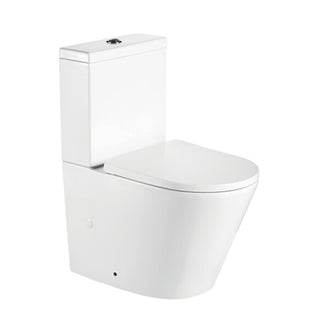
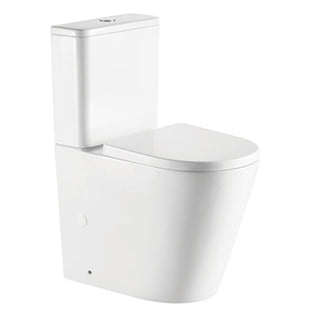
For modern rimless toilet designs, cleaning becomes even more straightforward since there are fewer hidden areas where buildup can occur. These contemporary designs make maintenance significantly easier while improving hygiene outcomes.
When Should You Call a Professional
While many toilet maintenance tasks suit DIY approaches, certain situations require professional expertise. Professional plumbing sources consistently indicate that delaying professional attention leads to escalation and increased costs, with experts emphasising that early intervention prevents minor issues from becoming major, expensive problems.
Which Problems Need Expert Assessment
Structural issues, persistent leaks, and problems involving your home's plumbing system typically require professional diagnosis and repair. These situations often involve specialised tools, knowledge of building codes, and warranty considerations.
|
Problem Type |
DIY Suitable |
Professional Required |
Urgency Level
|
|---|---|---|---|
|
Minor adjustments |
Yes |
No |
Low |
|
Supply hose replacement |
Usually |
Sometimes |
Medium |
|
Persistent leaks |
No |
Yes |
High |
|
Floor damage |
No |
Yes |
High |
|
Multiple simultaneous issues |
No |
Yes |
Medium |
How to Prepare for Professional Service
When you do need to call a professional, having documented the problem's history and symptoms helps them diagnose issues more efficiently. Take photos of any visible damage, note when problems occur, and clear access to the toilet area beforehand.
What the evidence shows about toilet maintenance
Based on professional guidance and industry experience, several key points emerge about effective toilet maintenance:
-
Regular visual inspections catch problems early - warning signs like pooling water, unusual sounds, and weak flushing develop gradually before major failures occur
-
Supply hoses benefit from proactive replacement every 8-12 years, as they can cause significant water damage when they fail
-
In-tank cleaning tablets consistently damage rubber components and should be avoided completely
-
Undisturbed seals can last decades - only replace them when there's evidence of actual leakage or damage
-
Professional intervention for persistent problems prevents escalation to costly repairs and potential structural damage
-
The evidence is still emerging on some maintenance techniques, like regularly exercising shut-off valves, though many professionals recommend this practice
What to Do Next for Better Toilet Maintenance
Starting your toilet maintenance routine doesn't require major time investment or expensive tools. Begin with monthly visual inspections and gradually build up to the six-monthly mechanical checks as you become more comfortable with the process.
Create a simple checklist covering the key areas we've discussed, and keep basic tools handy for minor adjustments. Most toilet maintenance involves observation rather than intervention, so focus on developing your ability to spot changes or unusual conditions.
If your current toilet is showing its age or requiring frequent maintenance, consider whether replacement might be more cost-effective than continued repairs. Modern toilets offer improved efficiency, easier cleaning, and more reliable operation that can reduce your maintenance workload significantly.
[collection-carousel="toilets"]
For replacement parts, quality connections, and professional-grade components, having a reliable supplier makes maintenance tasks much more straightforward. Whether you're handling routine maintenance or planning more substantial updates, the right products and expert advice can make all the difference in achieving lasting results.
Key Takeaways for Long-Term Success
Successful toilet maintenance balances vigilant observation with selective intervention. Regular checks help you catch problems early, while restraint prevents you from creating new issues through unnecessary tinkering.
Remember that older toilets often perform beautifully when left alone, while newer installations may need minor adjustments as components settle and seals establish themselves. Either way, gentle care and prompt attention to genuine problems will keep your toilet functioning reliably for many years.
The investment in regular maintenance pays dividends through avoided emergency repairs, extended equipment life, and the peace of mind that comes with knowing your home's essential systems are in good working order.