



Nobody hands you a diagram. The tiler finishes, the boxes arrive, and suddenly somebody has to decide exactly how high the towel rail goes and how far in front of the toilet the roll holder sits.
Get it right and you never think about it again. Get it wrong and you spend the next decade reaching awkwardly, or worse, drilling a second set of holes into brand new tile. Here is where everything actually goes, which numbers are real rules and which are just good habits, and the fixing detail that decides whether it stays on the wall.
The Heights Nobody Writes Down
First, an honest clarification, because a lot of blogs blur this.
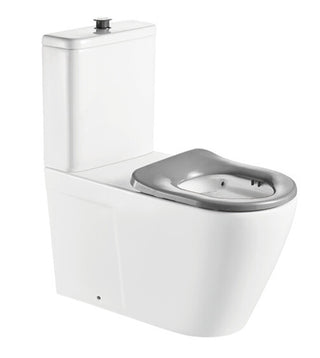
There is no Australian Standard telling you how high to hang a towel rail in your own bathroom. The heights and positions that are specified belong to accessible facilities. The National Construction Code requires accessible sanitary facilities to be built in accordance with AS 1428.1, and that standard covers grab rails, fixture heights and where the toilet paper dispenser can sit relative to the pan.
For a standard family bathroom in Adelaide, the numbers below are conventions rather than code. They are what most fitters work to, and they are worth following because they suit how people actually move.
|
Accessory |
Usual height off the floor |
Position |
|---|---|---|
|
Main towel rail |
Around 1,100 to 1,200 mm to the rail |
Clear wall, out of the shower spray, not behind a swinging door |
|
Kids or second rail |
Around 900 mm |
Low enough that a seven year old will actually use it |
|
Hand towel ring |
Around 900 to 1,100 mm |
Beside the basin, within arm's reach of the tap |
|
Toilet roll holder |
Around 600 to 700 mm |
Roughly 200 to 300 mm forward of the front of the pan |
|
Robe hooks |
Around 1,600 to 1,700 mm |
Behind the door or on the wall closest to the shower exit |
|
Shower shelf or niche base |
Around 1,000 to 1,200 mm |
Reachable without stepping under the water |
Two things override every number in that table. The height of the people using the room, and whether anyone has to reach it while wet and standing on one leg.
[collection-carousel="accessories"]
Where The Toilet Roll Holder Actually Goes
This is the one that gets mounted last, by whoever is closest, and it shows.
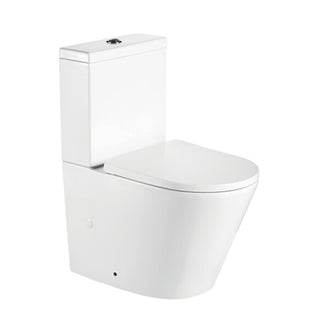
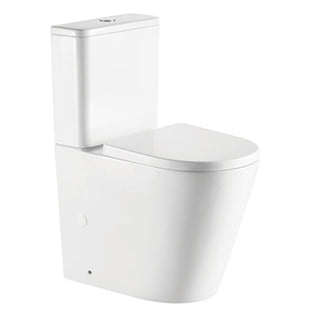
Sit on the pan before you mark the wall. The holder wants to be slightly in front of you, not level with your hip and definitely not behind your shoulder. On the side wall is ideal. If there is no side wall within reach, a freestanding holder beats a badly placed fixed one.
Watch the vanity too. A holder tucked into the gap between the pan and a vanity cabinet looks tidy on a plan and is impossible to load one handed.
[collection-carousel="toilets"]
Towel Rails, And Why Position Beats Quantity
People obsess over how many rails they need and then hang them in the two worst spots in the room.
Keep Them Out Of The Splash
A towel within the shower's spray radius never dries. Same story next to a basin with a tall spout. If the wall gets wet, the towel gets wet, and you will blame the towel.
The Door Swing Test
Stand in the doorway and open the door fully. Anything the door touches or hides is in the wrong place. This kills more towel rail positions than anything else in a small Adelaide bathroom, and it is free to check before you drill.
One more practical note. Hooks are mounted higher than rails and need almost no wall width, so in a narrow room they solve a problem a rail cannot.
[collection-carousel="towel-rail"]
Inside The Shower
The shower is where placement decisions pay off daily, and renovators are remarkably consistent about what they wish they had done.
Put the mixer where you can reach it without standing under the water. On the side wall near the entry, not directly under the head. It means you can turn the shower on and let it warm up from outside the stream, which in an Adelaide July matters more than the tiles do.
For storage, a shelf running the full width of the shower head wall beats a corner caddy. One renovator described a 100 mm deep full width tiled shelf as easy to clean and constantly useful, and that matches the usual complaint about caddies, which is that they collect water and grime in every corner. If you would rather have a recessed niche, it has to be framed before the waterproofing goes on, so decide early.
Keep the shelf or niche on the same wall as the head or beside it, never on the wall you lean against, and never so low that you are bending into the spray to reach the shampoo.
[collection-carousel="showers-1"]
The Floor Waste Is A Placement Decision Too
Not an accessory in the showroom sense, but the drain position is decided at the same time and people regret it just as often.
Long linear drains photograph beautifully and are widely described as the hardest thing in the bathroom to keep clean, because hair and product collect along the whole length. A square tile insert grate gives you the same disappearing look in one small spot you can lift and rinse.
Wherever it sits, the drain wants to be away from where you stand, so you are not showering on top of it, and positioned so the floor falls to it from every direction. That is your plumber's call, not a styling one.
[collection-carousel="wastes"]
Anything Powered Has Zones
Heated towel rails, demister pads, shaver outlets and mirror lighting are not free to go anywhere.
AS/NZS 3000, the Wiring Rules, divides bathrooms into zones around the bath and shower, and those zones restrict what electrical equipment can be installed where. A heated rail that is perfectly legal on one wall may not be on another.
So nominate the positions before your electrician does the rough in, while the walls are open and cable can still be run cheaply. In South Australia both the plumbing and the electrical work must be done by someone holding the relevant state licence, so this is a conversation with your trades rather than a weekend project.
[collection-carousel="outlets"]
Grab Rails Belong Where People Actually Fall
Worth planning even if nobody in the house needs one yet, because retrofitting means drilling new tile.
The bathroom is a genuine hotspot. Among older Australians hospitalised after a fall at home, the bathroom was one of the most common locations, with around 8,600 bathroom falls in 2019 to 2020, and national health guidance recommends rails in the shower or bath and beside the toilet.
Two positions do most of the work. One vertical or angled rail at the shower entry, where you step over the hob onto wet tile, and one beside the toilet at around 800 to 810 mm above the floor, which is roughly where AS 1428.1 puts them in accessible facilities.
And the part people miss. A grab rail is engineered hardware. AS 1428.1 requires grab rails and their fixings to withstand 1,100 newtons applied in any direction without deforming or loosening. A towel rail will not do this, however solid it feels.
[collection-carousel="mirrors"]
What You Fix Into
Position is half the job. The other half is what is behind the tile, and this is where most accessories fail.
Plasterboard anchors have a real but modest load limit. They are fine for a roll holder and marginal for anything carrying weight, and the common failure story is exactly that, an anchor spinning and boring out its own hole until the fitting hangs loose. Anything structural, grab rails especially, wants a screw into a stud or into timber noggings added behind the sheet before lining.
Which means the real deadline for accessory positions is before the plasterboard goes up, not after the tiling. Mark the wall, tell the carpenter, get backing in.
Drilling Tile Without Cracking It
If the tiles are already on, it is very doable. Tape the spot, use a proper tile or glass bit rather than a masonry bit, keep the speed low, and let the bit do the work. Avoid landing a hole directly on a grout line, which is where tiles chip. Match the hole to the plug rather than going oversize, and use decent wall plugs instead of whatever came in the accessory box.
Also remember what you are drilling through. AS 3740 covers waterproofing of domestic wet areas including how penetrations are treated, so every fixing inside a shower needs sealing properly. Our bathroom and laundry renovation guide covers where this sits in the build sequence.
[collection-carousel="trade"]
The Short Version
-
No standard dictates accessory heights in a private bathroom. AS 1428.1 applies to accessible facilities.
-
Towel rails around 1,100 to 1,200 mm, a kids rail around 900 mm, hooks around 1,600 to 1,700 mm.
-
Roll holder around 600 to 700 mm high and 200 to 300 mm forward of the pan front.
-
Sit on the toilet before marking the wall.
-
Open the door fully and rule out everything it touches.
-
Keep towels out of the shower spray and away from the basin.
-
Put the shower mixer where you can reach it from outside the water.
-
A full width shelf on the head wall beats a corner caddy for cleaning.
-
A recessed niche must be framed before waterproofing.
-
Linear drains look great and are the hardest thing in the room to clean.
-
AS/NZS 3000 zones restrict where powered items can go, so nominate positions before rough in.
-
Plumbing and electrical work in South Australia needs a licensed trade.
-
Grab rails at the shower entry and beside the toilet, and they must take 1,100 newtons in any direction.
-
Fix into studs or added noggings, not into plasterboard anchors, for anything load bearing.
-
Tape the tile, use a tile bit, stay off grout lines, and seal every penetration.
The whole thing comes down to one habit. Mark every accessory position on the wall in pencil before the walls are closed up, then live with the marks for a day and see what annoys you. It is the cheapest change you will ever make.
If you want to hold the pieces before committing to positions, a showroom appointment lets you check reach and proportion in person, and the accessories range is a good place to build a shortlist first.
[collection-carousel="tapware"]